How to Care for Thinning Hair at Home: Simple Remedies
Discover effective at-home remedies and gentle hair care practices to manage thinning hair and improve its health and appearance.


If you’ve noticed your ponytail feeling thinner or seeing more hair in your brush, you’re not alone. Thinning hair is a common concern for many women, and while it can be unsettling, there are simple, effective ways to care for your hair at home. This article covers gentle care routines, dietary adjustments, and smart product choices that can help improve the look and health of your hair without needing a trip to the doctor.
Key Takeaways
- Handle wet hair gently with a wide-tooth comb or fingers to prevent breakage.
- Regular scalp massage may stimulate blood flow and support hair growth.
- Eat a balanced diet rich in protein, iron, and B vitamins for stronger strands.
- Use volumizing shampoos and conditioners to make thinning hair appear fuller.
- Consistency is key; noticeable results typically take several weeks to months.
What You Can Do About Thinning Hair at Home
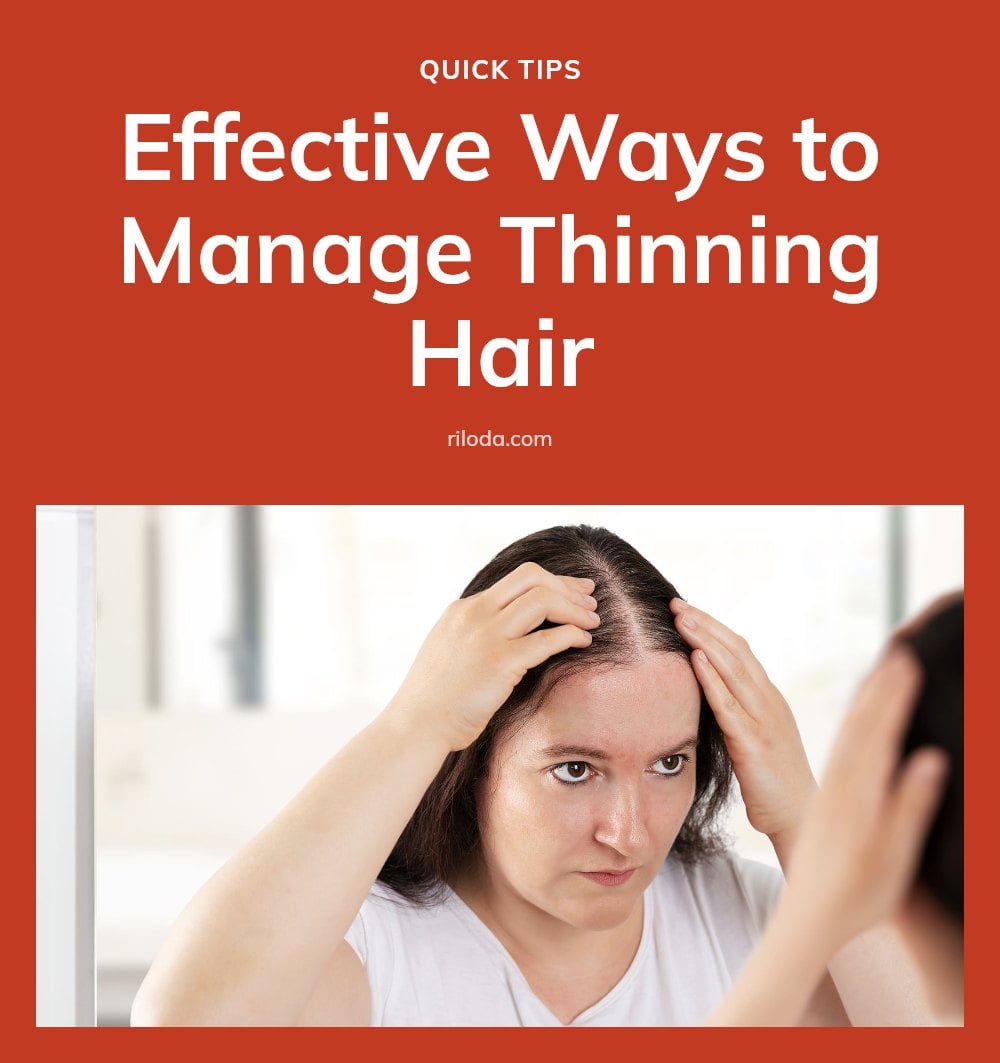
Thinning hair can feel overwhelming, but you can manage it at home with the right approach. Focus on gentle care, dietary tweaks, and targeted products that support scalp health and strengthen existing strands. Reduce breakage by handling hair softly, and nourish follicles from within with protein, vitamins, and minerals. Consistency matters: stick with your routine for several weeks to months before expecting visible improvements. You don’t need drastic measures, just a steady, kind-to-your-hair plan.
Why Your Hair Might Be Thinning: Common Causes
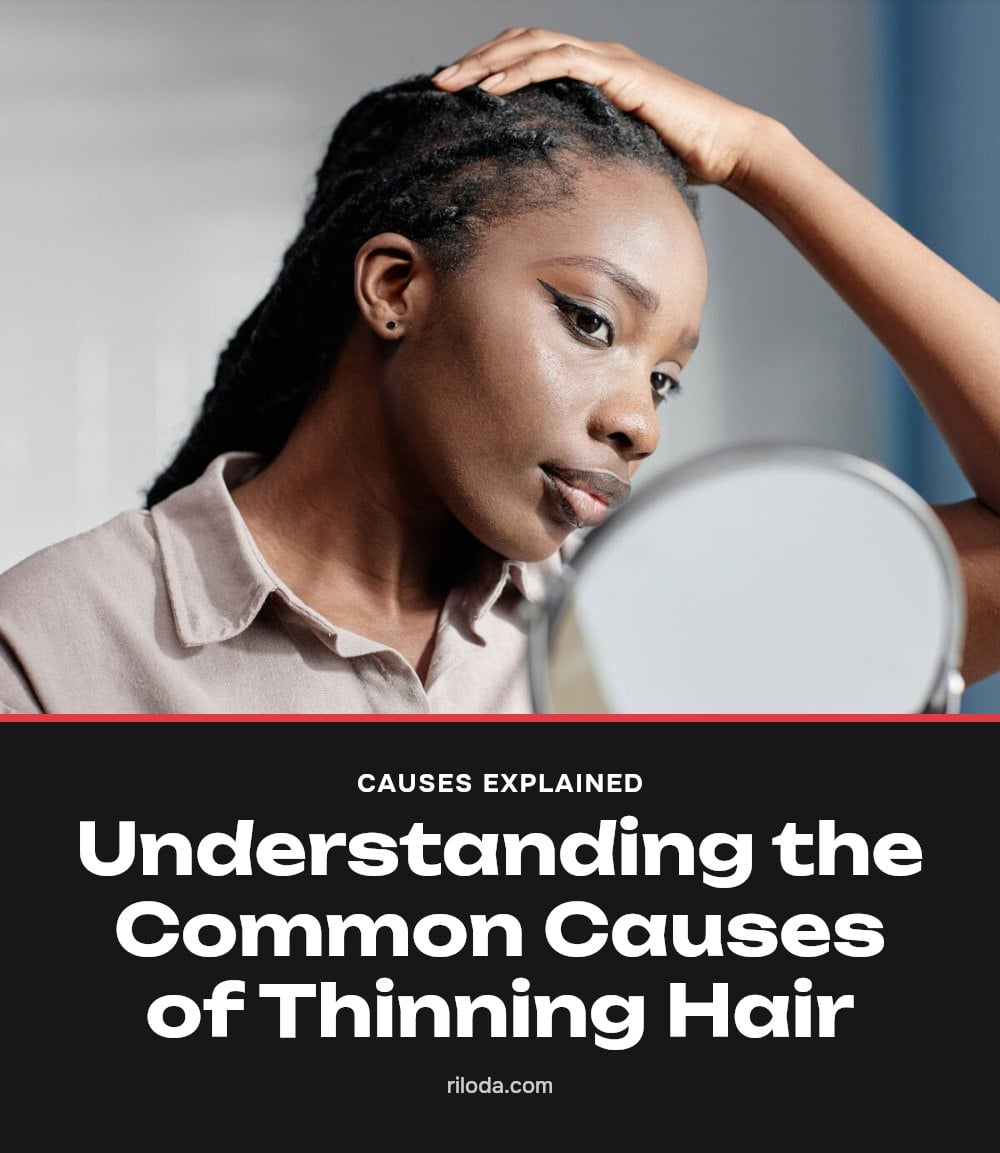
Common Causes of Thinning Hair
Thinning hair is a widespread issue for women, often tied to genetics and the natural aging process. As you age, hair follicles can shrink, producing finer, shorter strands.
Hormonal shifts also play a big role. Menopause, thyroid imbalances, or postpartum changes can temporarily disrupt hair density. Nutritional gaps, especially iron, zinc, and B vitamins, may leave hair weak and prone to shedding. Stress is another culprit: it can push hair follicles into a resting phase, leading to noticeable loss a few months later.
Certain medications, including some used for blood pressure or depression, list hair loss as a possible side effect. If you suspect a medication, talk to your doctor before stopping it.
- Genetics and aging: family history often predicts thinning.
- Hormones: menopause, thyroid, or postpartum changes.
- Nutrient gaps: low iron, zinc, or B vitamins.
- Stress: can trigger temporary shedding.
- Medications: some drugs affect hair growth.
At-Home Strategies to Improve Hair Density and Health
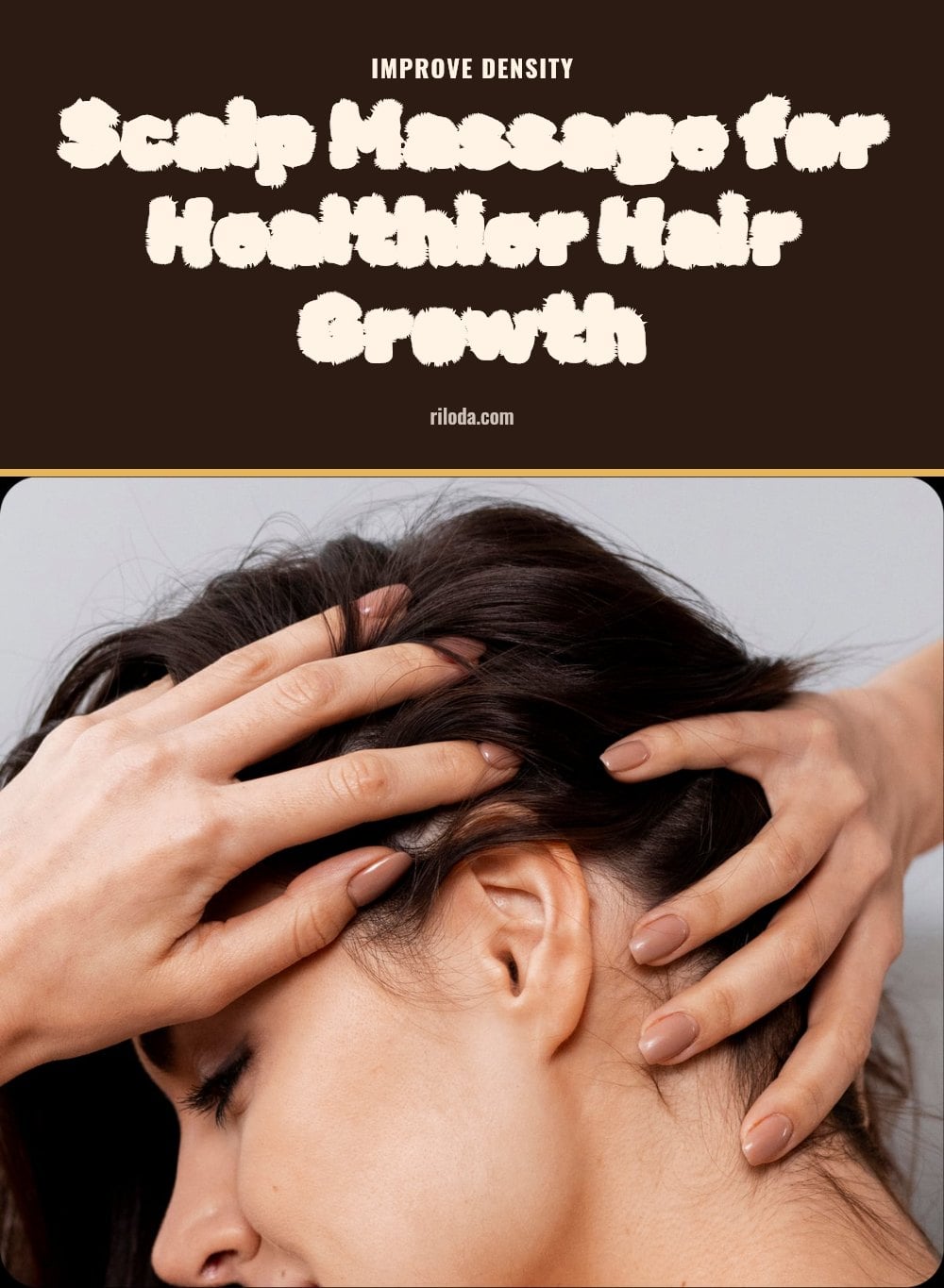
At-Home Strategies to Improve Hair Density
Start with gentle hair care. Wet hair is fragile, so skip rough towel drying and never brush aggressively. Use a wide-tooth comb or your fingers to detangle, working from the ends upward. This reduces breakage and helps your hair look fuller.
Scalp massage can boost circulation to follicles. Spend 2-3 minutes daily using your fingertips or a soft brush, moving in small circles. Some research suggests this may encourage thicker hair over time.
Diet matters. Hair is made mostly of protein, so include lean meats, eggs, or beans in your meals. Add iron-rich foods like spinach, zinc from nuts or seeds, and B vitamins from whole grains. If you’re unsure about deficiencies, ask your doctor for a blood test.
Topical minoxidil (2% or 5%) is FDA-approved for female pattern hair loss. Apply it to the scalp daily as directed. It can take 3-6 months to see results, and you must keep using it to maintain gains. Some women experience initial shedding, which usually settles. Caution: Consult a doctor or dermatologist before starting minoxidil, as it may not be suitable for everyone, and they can advise on the right strength for you. If shedding is severe or lasts more than a few weeks, see your doctor again.
Rosemary oil is an anecdotally popular remedy for hair growth, but its effectiveness is not scientifically proven. If you try it, dilute a few drops in a carrier oil like jojoba or coconut, then massage into the scalp. Always do a patch test on your inner arm first and wait 24 hours to check for irritation.
Caution: Stop any product that causes redness, itching, or increased shedding. If you’re pregnant or nursing, consult a doctor before using minoxidil or essential oils.
Your Hair Thinning Care Kit: Essential Tools and Products
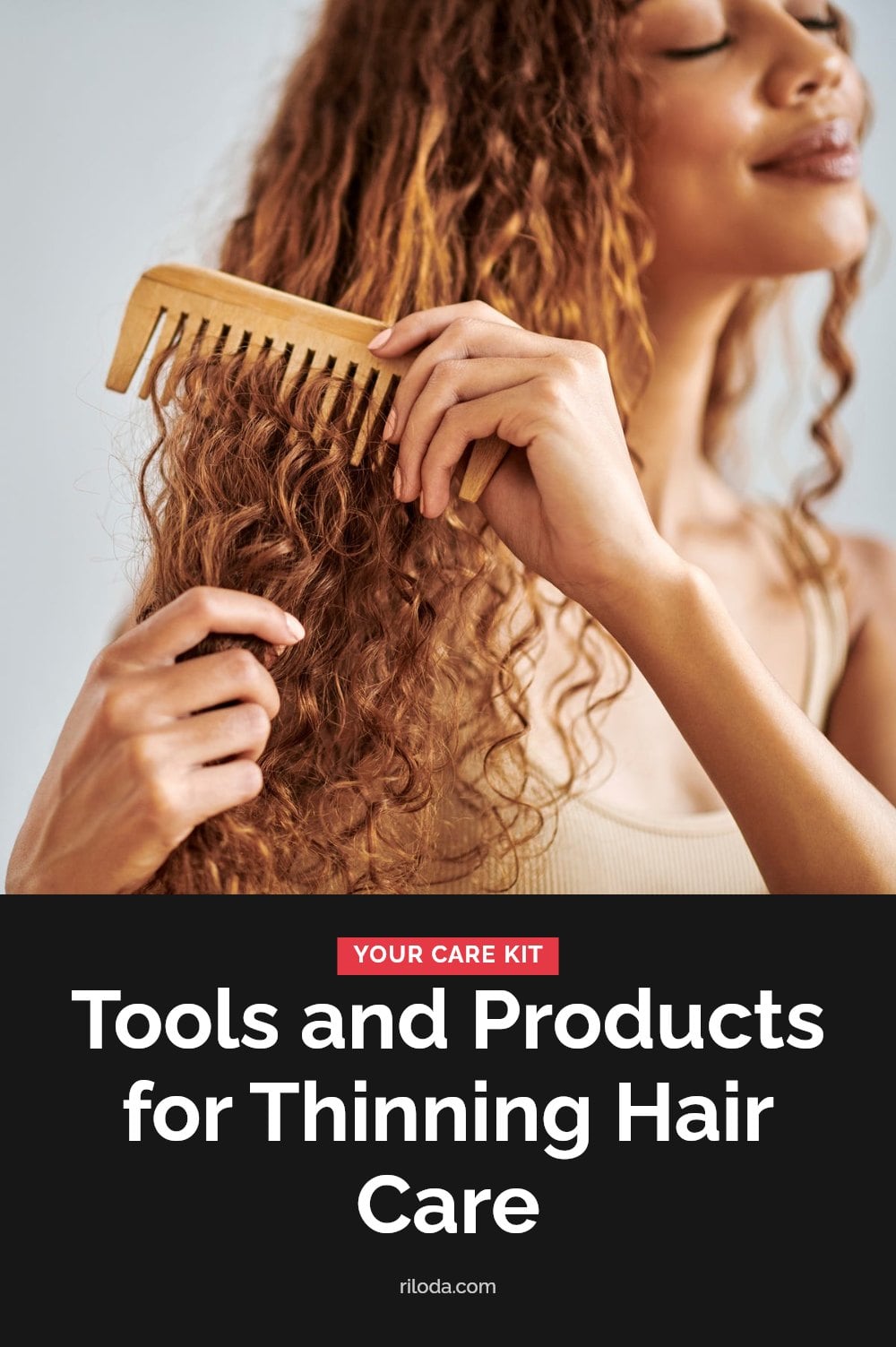
Build a care kit with tools that treat your hair kindly. Start with a gentle shampoo and a volumizing conditioner made for thinning hair; they add body without stripping oils. A wide-tooth comb is essential for detangling wet hair, reducing breakage. Swap your regular towel for a soft microfiber one, which absorbs water with less friction. Consider a scalp massage brush to stimulate circulation during washes. Nutrient-rich foods, like salmon, eggs, and leafy greens, support hair from the inside. Finish with a lightweight serum or a weekly strengthening mask to protect strands and add shine.
Common Mistakes When Dealing With Thinning Hair
Aggressive brushing or vigorous towel drying can snap fragile strands, making thinning look worse. Frequent high-heat styling (blow-dryers, flat irons) damages the hair shaft and accelerates breakage. Tight hairstyles like ponytails or buns pull on follicles and can cause traction alopecia over time.
Ignoring your diet can sabotage growth. Protein, iron, and B vitamins are building blocks for hair, and skipping them means weaker strands. Products labeled for volume or thickening help; heavy ones weigh hair down or strip natural oils. Expecting results in a week leads to frustration. Consistency with gentle care and treatments matters more than any single product.
Protecting Your Hair: Everyday Habits to Prevent Further Thinning

Everyday habits can slow further thinning. Start with a balanced diet rich in protein (eggs, fish, legumes), iron (spinach, lentils), and B vitamins (whole grains). Manage stress through meditation or yoga to reduce shedding from telogen effluvium. Protect hair from excessive sun with a hat or UV-protectant spray.
Avoid harsh chemical treatments like perms or relaxers that weaken already fragile hair. Use a leave-in conditioner or hair serum to shield strands from environmental damage. Get adequate sleep and stay hydrated, both support overall hair health and growth cycles.
What to Expect: Timeline for Results and Cost Considerations
Noticeable improvements from at-home remedies typically take several weeks to months. Hair grows about half an inch per month, so patience is key. Consistency with gentle care, scalp massage, and dietary changes matters more than any single product.
Costs vary widely. Dietary shifts (adding protein-rich foods) are affordable. Specialized shampoos and conditioners run moderate. Topical minoxidil, if recommended by a professional, is an ongoing expense. Expect to invest both time and money, hair growth is a slow process.
When to Consult a Professional About Hair Thinning
If your thinning is sudden, severe, or paired with fatigue or unexplained weight changes, see a doctor immediately. Severe thinning means losing handfuls of hair when you shower or brush, or noticing visible scalp in a matter of weeks. A dermatologist can diagnose underlying conditions like thyroid issues or androgenetic alopecia and recommend medical treatments.
If at-home efforts show no improvement after several months, professional advice is warranted. Always consult a healthcare professional before starting new supplements or treatments, especially if pregnant or breastfeeding. Some ingredients can interfere with medications or cause side effects.
Frequently Asked Questions
How often should I wash thinning hair?
There’s no one-size-fits-all answer, but most women with thinning hair do well washing 2 to 3 times per week. Over-washing can strip natural oils, while under-washing can lead to buildup that clogs follicles. Adjust based on your scalp type and how your hair feels.
Can stress really cause hair thinning?
Yes, stress can trigger a type of hair loss called telogen effluvium, which causes increased shedding. This usually happens a few months after a stressful event. Managing stress through relaxation techniques can help reduce this effect.
Are there specific foods that help with thinning hair?
Foods rich in protein (eggs, fish, legumes), iron (spinach, lentils), and B vitamins (whole grains) are especially helpful. A balanced diet supports hair strength and growth. Avoid restrictive diets that may lead to nutrient deficiencies.
How long does it take to see results from thinning hair treatments?
Noticeable improvements typically take several weeks to months. Hair grows about half an inch per month, so be patient. Consistency with your routine is more important than any single product.
Is it normal to lose a lot of hair in the shower?
Losing 50 to 100 hairs per day is normal, and many of those shed during washing. What seems like a lot may be normal. However, if you notice a sudden increase or clumps of hair, it’s worth discussing with a doctor.
Final Thoughts
My tip is to start with one change, like switching to a gentle shampoo or adding a scalp massage to your routine. Be patient, as hair grows slowly, and you likely won’t see big changes for several weeks. Stick with it, and remember that small daily habits can make a real difference in how your hair looks and feels.
This article provides general information and is not a substitute for professional medical advice. If you have persistent or severe hair thinning, or if it’s accompanied by other symptoms, please consult a doctor or dermatologist for a proper diagnosis and treatment plan.
More Blog ideas
- How to Use Rose Water for Radiant Skin and Healthy Hair
- What Is My Personality Type? Understanding Yourself Better
- How to Clean Your Pores at Home
- Vitamin C Benefits for Skin and Health Plus the Best Foods
- How to Start Shadow Work for Deeper Self-Understanding
- How to Prep Your Hair Before Bleaching for Less Damage
- How to Prepare Sea Moss Gel at Home for Wellness
- How to Use Rice Water for Glowing Skin and Shiny Hair
- How to Find Morning Motivation When You Want to Stay in Bed
- Filing Nails: How to File Nails Correctly for Strong, Healthy Fingernails
- Healthy Coping Skills: Proven Strategies for Difficult Times
- Simple Ways to Romanticize Your Life Every Day