How to Care for Oily Skin: Simple Steps for Less Shine
Tired of constant shine? Learn how to care for oily skin with effective routines and product choices for a balanced, clearer complexion.


If your skin feels slick by midday and your pores seem to be throwing a never-ending open house, you’re not alone. Oily skin is a common challenge, but the secret isn’t to dry it out. The right routine balances oil production without stripping your skin, which can actually make things worse. This article covers the simple, proven steps to manage shine, keep pores clear, and finally get your skin to cooperate.
Key Takeaways
- Cleanse twice daily with a gentle foaming or gel cleanser to avoid stripping your skin.
- Never skip moisturizer; use a lightweight, oil-free, non-comedogenic formula to keep skin balanced.
- Incorporate salicylic acid (BHA) into your routine to exfoliate inside pores and reduce shine.
- Apply an oil-free, broad-spectrum sunscreen every day to protect your skin without adding grease.
- Give your routine at least 2-4 weeks of consistent use to see noticeable improvements.
Managing Oily Skin for a Clearer Complexion
Oily skin happens when your sebaceous glands produce too much sebum, leading to a shiny face, enlarged pores, and frequent breakouts. The right approach isn’t to strip that oil away. It’s to balance it with a gentle, consistent routine using targeted ingredients like salicylic acid and niacinamide. When you care for oily skin without harshness, you help it regulate itself instead of making the problem worse.
Understanding Why Your Skin Gets Oily
Oily skin starts with overactive sebaceous glands that pump out more sebum than your skin needs. Sebum itself is a natural moisturizer and protectant, but when there’s too much, it leaves your face looking shiny, makes pores appear larger, and can lead to acne.
Main causes include:
- Genetics: Your skin type is largely inherited, so if your parents have oily skin, you’re more likely to have it too.
- Hormones: Fluctuations during puberty, your menstrual cycle, or pregnancy can trigger extra oil production.
- Environment: Humidity and heat often make oily skin more noticeable.
- Skincare mistakes: Using harsh cleansers or over-washing strips your skin’s natural oils, which can cause your glands to overcompensate and produce even more sebum.
Your Essential Skincare Toolkit for Oily Skin
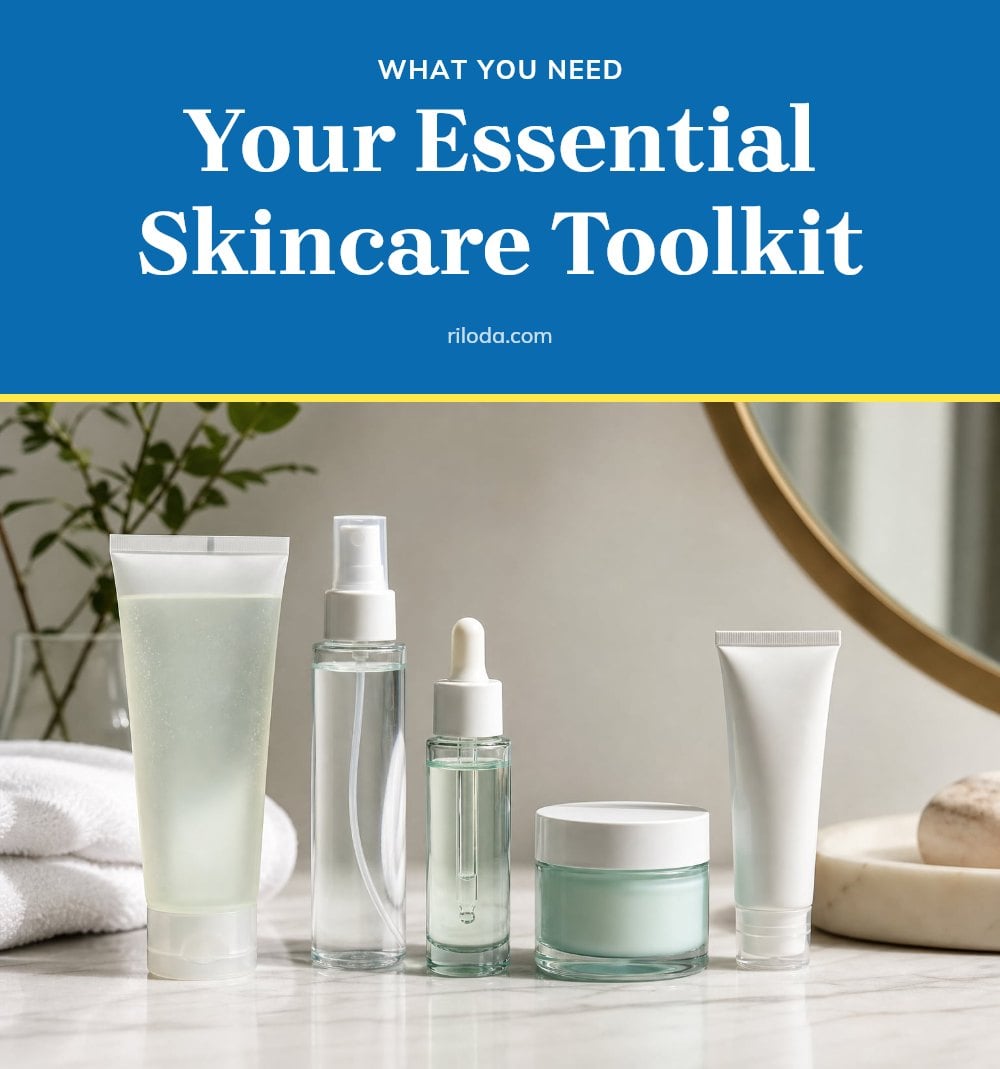
Building an oily skin toolkit means choosing products that balance without stripping. Here’s what you need:
- Gentle foaming or gel cleanser: Removes excess oil without drying.
- Lightweight, oil-free, non-comedogenic moisturizer: Hydrates without clogging pores.
- Salicylic acid (BHA) serum or toner: Exfoliates inside pores to reduce oil and breakouts.
- Niacinamide serum: Helps regulate sebum and supports your skin barrier.
- Clay mask: Use once or twice a week to temporarily absorb extra shine.
- Oil-free, broad-spectrum sunscreen: Protects without adding greasiness.
- Blotting papers: Quick oil absorption on the go, even over makeup.
Your Daily Routine for Balanced Oily Skin

Consistency is everything with oily skin. Stick to this simple daily routine and give it at least 2-4 weeks to see real change.
- Cleanse gently twice daily: Morning and night, use a gentle foaming or gel cleanser. Avoid scrubbing, just massage with your fingertips and rinse with lukewarm water.
- Apply a targeted treatment: In the morning, try a niacinamide serum to help regulate oil throughout the day. At night, use a salicylic acid (BHA) serum or toner to exfoliate pores and reduce future breakouts.
- Always moisturize with a lightweight formula: Even oily skin needs hydration. Choose an oil-free, non-comedogenic moisturizer to lock in moisture without clogging pores.
- Finish with oil-free sunscreen in the morning: Apply a broad-spectrum, oil-free sunscreen as your last step. It protects your skin from damage and won’t add shine if you pick the right formula.
Targeted Treatments to Control Shine and Breakouts

Targeted Treatments to Control Shine and Breakouts
Salicylic acid (BHA): This beta-hydroxy acid penetrates deep into pores, dissolving the excess oil and dead skin cells that cause shine and breakouts. It exfoliates from the inside out, helping to keep pores clear and reduce blackheads. Tip: Start with a 0.5% to 2% formula once a day. If your skin tolerates it well after a few weeks, you can consider increasing to twice daily. If you experience redness or peeling, cut back to every other day.
Niacinamide: A form of vitamin B3, niacinamide helps regulate how much sebum your glands produce while strengthening your skin barrier. This means less oil on the surface and less irritation from other treatments. Good to know: Use niacinamide in your morning routine and save salicylic acid for your evening routine. This way, each active works at its best pH without competing, and your skin gets the benefits of both.
Clay masks: Bentonite or kaolin clay masks work by physically absorbing excess oil from the skin’s surface. They provide a temporary matte effect that can last for hours. Caution: Use a clay mask no more than once or twice a week. Do not leave the mask on until it cracks, as this can over-dry your skin and potentially trigger more oil production. Rinse off the mask when it is still slightly damp.
Common Mistakes to Avoid When Caring for Oily Skin
Common Mistakes to Avoid When Caring for Oily Skin
- Skipping moisturizer: When you skip hydration, your skin can become dehydrated and compensate by producing even more oil. A lightweight, oil-free moisturizer keeps skin balanced.
- Over-washing or harsh scrubbing: Washing more than twice a day or using rough scrubs strips the skin’s protective barrier, triggering a rebound in sebum production. Stick to gentle, foaming cleansers.
- Using comedogenic products: Heavy creams or oils can clog pores and worsen breakouts. Always check labels for “non-comedogenic” or “oil-free.”
- Skipping sunscreen: Sun exposure damages the skin and can increase oiliness. Use an oil-free, broad-spectrum SPF 30 or higher every morning.
Smart Habits for Managing Oily Skin Throughout the Day
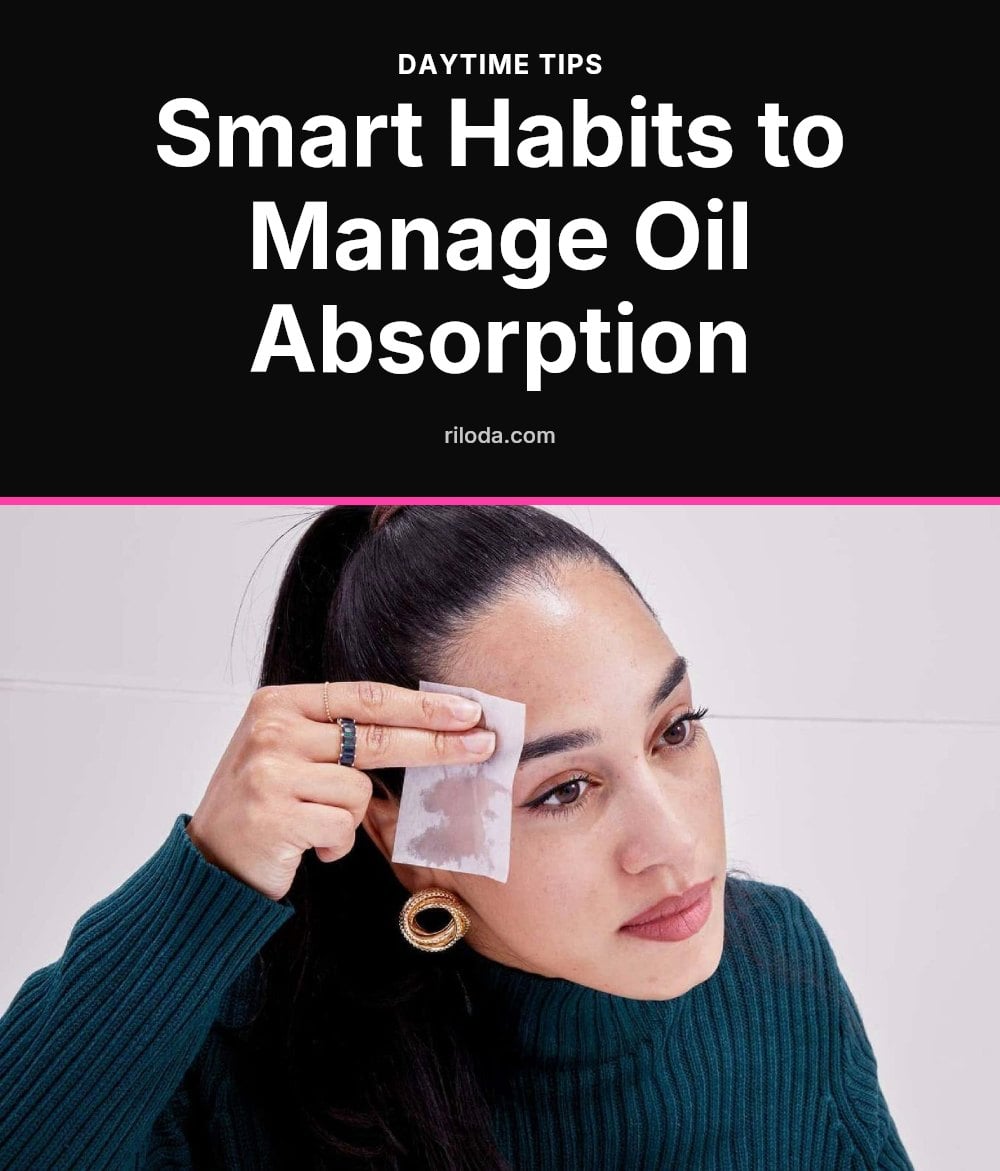
Smart Habits for Managing Oily Skin Throughout the Day
- Blotting papers: Press a sheet gently on shiny areas to absorb oil without disturbing your makeup or stripping your skin. Use as needed throughout the day.
- Washing after exercise: Sweat and oil left on the skin can clog pores. Rinse with water or use a gentle cleanser as soon as you finish working out.
- Choosing oil-free makeup: Look for foundations, powders, and concealers labeled “oil-free” or “non-comedogenic” to avoid adding extra shine and breakouts.
- Consistency is key: Stick to your routine for at least 2-4 weeks before expecting visible results. Your skin needs time to adjust and rebalance.
When to Consult a Dermatologist for Oily Skin
When to Consult a Dermatologist for Oily Skin
If your oily skin is severe or does not improve after consistent home care, a dermatologist can help. Seek professional advice if you have painful cystic acne, frequent breakouts that leave scars, or suspect an underlying hormonal issue like PCOS. A doctor can recommend prescription treatments such as topical retinoids, oral medications, or professional procedures tailored to your skin.
Frequently Asked Questions
Can diet affect oily skin?
Some research suggests that high-glycemic foods and dairy may trigger more sebum production in certain people, but the link isn’t strong for everyone. If you notice your skin gets oilier after eating certain foods, try cutting back for a few weeks to see if it helps. A balanced diet supports overall skin health.
How often should I use a clay mask for oily skin?
Using a clay mask once or twice a week can help absorb excess oil and temporarily reduce shine. Overusing it can dry out your skin, which may lead to more oil production. Stick to this frequency and follow up with your regular moisturizer.
Is it okay to use makeup if I have oily skin?
Yes, you can wear makeup, but choose non-comedogenic, oil-free, and matte formulas to avoid clogging pores. A lightweight, powder-based foundation or a mattifying primer can help control shine. Always remove makeup thoroughly before bed to let your skin breathe.
How can I stop my face from being so shiny?
Blotting papers are a quick fix for midday shine without stripping your skin. For longer-term control, stick to your daily routine with a salicylic acid product and an oil-free moisturizer. If shine persists, a dermatologist can recommend prescription options like topical retinoids or oral medications.
Final Thoughts
Start with the basics: a gentle cleanser, a lightweight moisturizer, and daily sunscreen. Add salicylic acid a few times a week and a clay mask once a week if you want extra oil control. Expect to see real changes in about two to four weeks if you stick with it. Your skin can be comfortable and shine-free without harsh treatments.
This article is for general informational purposes only and does not constitute medical advice. Oily skin can vary from person to person, and results from skincare routines may differ. If you have severe or persistent acne, painful cysts, or concerns about an underlying condition, please consult a dermatologist or healthcare professional.
More Blog ideas
- How to Use Rose Water for Radiant Skin and Healthy Hair
- What Is My Personality Type? Understanding Yourself Better
- How to Clean Your Pores at Home
- Vitamin C Benefits for Skin and Health Plus the Best Foods
- How to Start Shadow Work for Deeper Self-Understanding
- How to Prep Your Hair Before Bleaching for Less Damage
- How to Prepare Sea Moss Gel at Home for Wellness
- How to Use Rice Water for Glowing Skin and Shiny Hair
- How to Find Morning Motivation When You Want to Stay in Bed
- Filing Nails: How to File Nails Correctly for Strong, Healthy Fingernails
- Healthy Coping Skills: Proven Strategies for Difficult Times
- Simple Ways to Romanticize Your Life Every Day