Achieve Body Toning: Your Beginner’s Guide to Sculpting
Toning: Discover how to tone your body with effective exercises and nutrition tips. This guide helps you sculpt and firm muscles for a defined look.

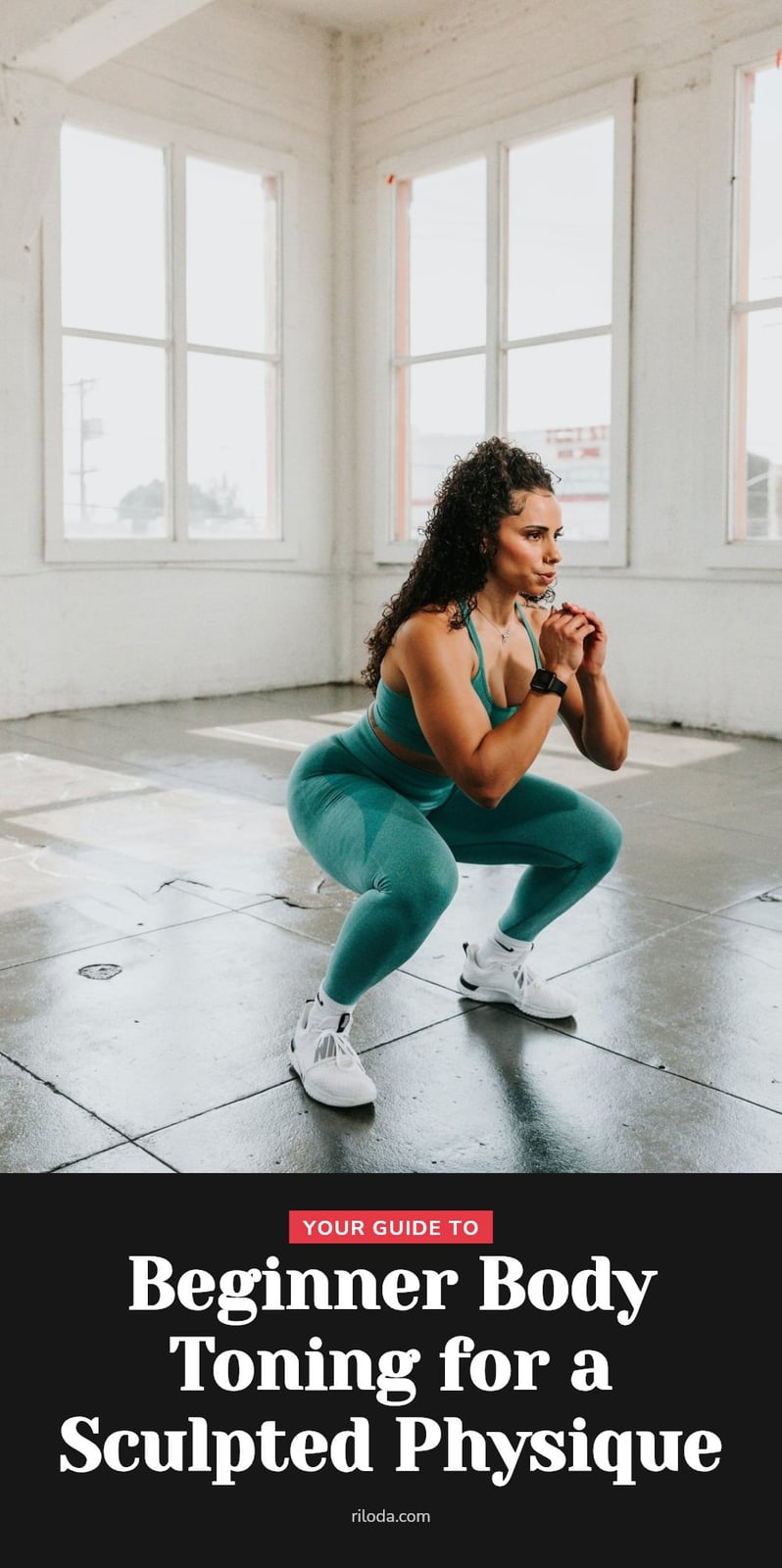
You want to look more defined and feel firmer, but the fitness world makes it sound complicated. Body toning is simpler than you think: it means building a little muscle and lowering your body fat so the muscle shows through. This article walks you through ten beginner-friendly moves, explains how to eat to support your goals, and shows you the common mistakes that slow down progress.
No gimmicks, no need for a gym membership, just a straightforward plan you can start today.
Key Takeaways
- Strength training, not high reps with tiny weights, is the real key to toning.
- Compound moves like squats and push-ups work multiple muscle groups at once.
- Progressive overload, adding weight or reps each week, keeps results coming.
- Protein at each meal helps muscles repair and grow after workouts.
- Spot reduction is a myth; fat loss happens all over your body.
What is Body Toning and How Does It Work?
Body toning means building muscle and reducing body fat so your shape looks firmer and more defined. You get there with strength training plus a balanced diet, not with high reps and tiny weights. It is about increasing muscle mass and decreasing fat, not lengthening muscles. Your muscles do not get longer; they get stronger and more visible as the fat layer on top shrinks.
Essential Tools for Your Toning Journey

You do not need a full gym to start. These basics cover most toning workouts:
- Dumbbells: the simplest way to add resistance to squats, rows, and presses.
- Resistance bands: light and portable, they let you train in any direction and are kind to your joints.
- Kettlebells: built for dynamic moves like swings and goblet squats that work several muscle groups at once.
- Exercise mat: gives cushion and grip for floor work like planks and glute bridges.
- Bodyweight: push-ups, lunges, and planks need no equipment at all.
Your Step-by-Step Toning Workout Plan
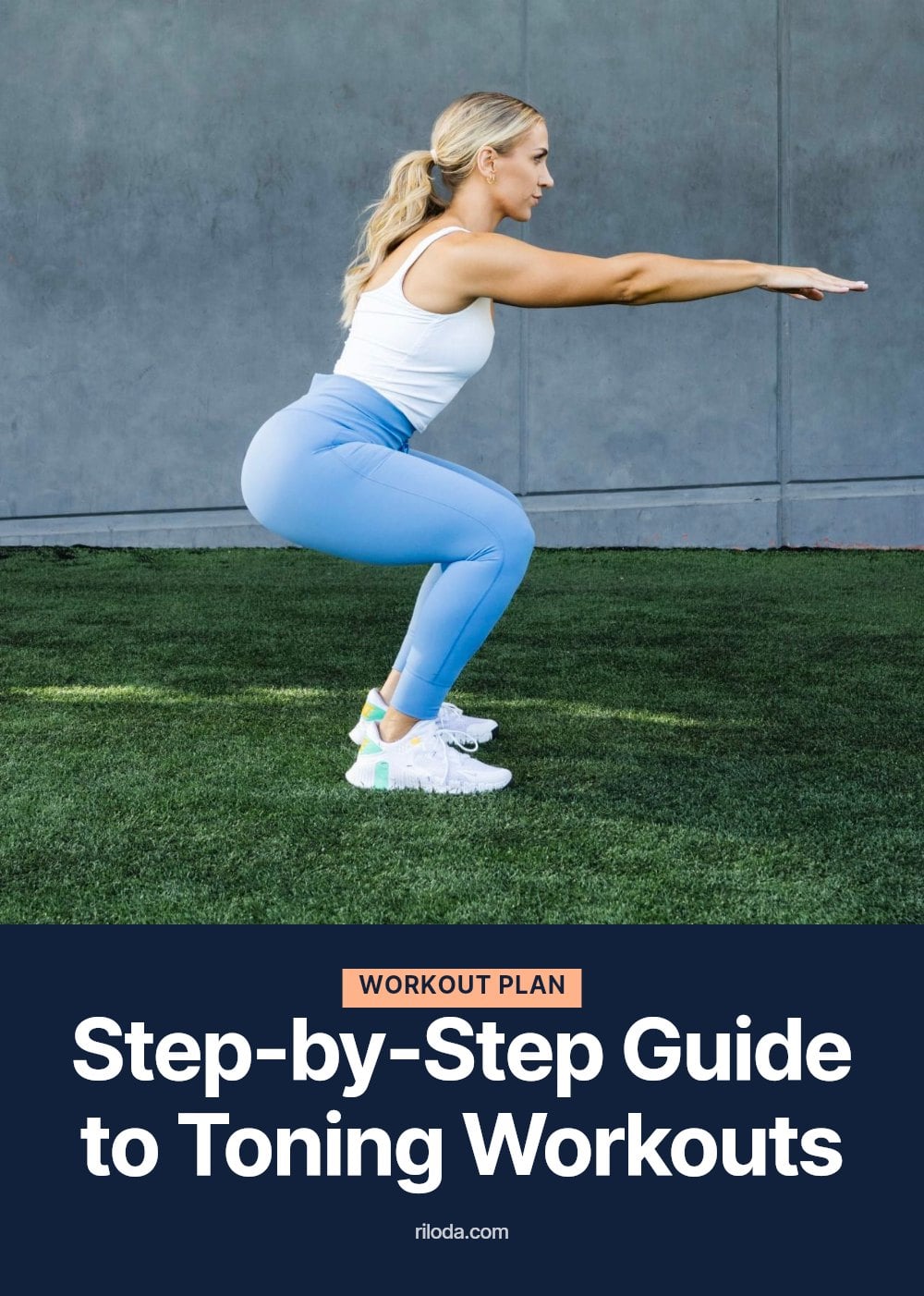
Follow this order to build a routine you can actually stick to.
- Start with bodyweight or light weights: spend your first few weeks learning the movement patterns. Good form now means fewer injuries and better results later.
- Target major muscle groups with compound exercises: choose moves like squats, push-ups, and rows that work several muscles at once. They give you more toning per minute than isolation moves.
- Do 3-5 sets of 8-12 repetitions per exercise: this rep range is a common recommendation for building muscle. Rest 60-90 seconds between sets within the same session.
- Increase resistance or intensity gradually: this is progressive overload. When you can complete all your sets at the top of the rep range with good form, add a little weight or one more set.
- Prioritize proper form over heavy weight: a lighter weight done correctly beats a heavy one done sloppily. If you cannot control the lowering phase, the weight is too heavy.
Remember that rest days between full-body strength sessions allow your muscles to recover and grow. The 60-90 second rest between sets is part of the workout, not a substitute for recovery days.
1. Top 10 Moves to Sculpt Your Body

These ten moves cover your whole body. Do the compound ones first while you are fresh.
- Squats: a full-body move that hammers your glutes and quads.
- Lunges: target legs and glutes and improve balance.
- Push-ups: work chest, shoulders, triceps, and core together.
- Plank: builds core strength and stability.
- Glute bridges: activate glutes and hamstrings.
- Dumbbell rows: strengthen your back and biceps.
- Overhead press: hits shoulders and triceps.
- Bicep curls: isolate the biceps.
- Tricep dips: target the back of your arms.
- Crunches or leg raises: strengthen your abdominal muscles for core stability and posture. They do not reduce belly fat on their own.
Fueling Your Body for Toning: Nutrition Essentials
Protein is the building block your muscles need after a workout. Aim for a serving of lean protein, chicken, fish, eggs, tofu, or beans, at each meal to support repair and growth. A balanced diet with plenty of vegetables, whole grains, and healthy fats gives you the energy to train hard and helps reduce body fat. Cardio, like brisk walking or cycling, burns extra calories and accelerates fat loss, making your muscle definition visible sooner.
Common Toning Mistakes to Avoid
Neglecting Progressive Overload: Your muscles adapt quickly. If you always use the same weight, progress stalls. Add a few pounds or one more rep each week.
Ignoring Nutrition: You cannot out-train a poor diet. Protein is non-negotiable for muscle repair, and cutting calories too low robs you of energy and slows results.
Spot Reduction Belief: Fat loss happens evenly across your whole body, not from one specific area. Core exercises like crunches strengthen your abs but do not remove fat from your belly.
Overtraining: Muscles grow when you rest, not while you are working them. Skip a day if you feel drained or sore.
Inconsistency: Two weeks of effort will not show lasting change. Stick with your routine and diet for months to see real definition.
Smart Tips for Effective Toning
Prioritize Rest: Sleep is when your body repairs muscle tissue. Aim for 7 to 9 hours per night to support growth and recovery.
Stay Hydrated: Water keeps your joints lubricated and muscles working properly. Drink a glass before, during, and after your workout.
Vary Your Routine: Swap in different exercises every few weeks. New movements challenge your muscles in fresh ways and prevent boredom.
Listen to Your Body: Muscle soreness after a workout is normal. Sharp or lasting pain is not. Take a rest day or switch to light activity when needed.
Consult a Professional: A certified trainer can fix your form and design a plan that fits your goals. A doctor should clear you for exercise if you have any health concerns.
When to Consult a Professional
Check with a doctor before starting any new workout program if you have a chronic condition, injury, or are pregnant. Stop immediately and seek medical help if you feel sharp pain, dizziness, or chest discomfort during exercise. A certified personal trainer can provide personalized guidance on proper form and technique. If you have been consistent for several months without visible results, a professional can help adjust your approach.
Frequently Asked Questions
How long does it take to see toning results?
Most people notice visible changes after several weeks to a few months of consistent strength training and a balanced diet. Muscle definition becomes more apparent as body fat decreases, so timeline depends on your starting point and how closely you stick to your plan.
Will lifting weights make me bulky?
No, not the way most women train. Building significant bulk requires years of very specific heavy lifting and a calorie surplus. Standard toning workouts with moderate weights and repetitions will create a leaner, firmer look, not a bulky one.
How often should I work out to tone my body?
Aim for two to three full-body strength sessions per week, with at least one rest day between them. This schedule gives muscles enough time to recover and grow while keeping you consistent. Add cardio if you want, but strength training is the foundation for toning.
What is the difference between toning and bulking?
Toning focuses on building a modest amount of muscle while reducing body fat so the muscle shows. Bulking aims for significant muscle gain, often with a calorie surplus, which may increase overall size. The exercises are similar, but the diet and volume of training differ.
Can I tone without a gym membership?
Absolutely. Bodyweight exercises like squats, lunges, push-ups, and planks are effective for beginners. Add resistance bands or a set of dumbbells at home, and you have everything you need for a full-body toning routine without stepping into a gym.
Final Thoughts
Stick with full-body strength training two to three times per week, gradually increase the challenge, and pair it with enough protein and sleep. Visible changes usually take several weeks to a few months, so be patient and consistent. Toning isn’t about quick fixes; it is about building a routine that fits your life and keeps you moving forward.
The information in this article is for general informational purposes only and is not a substitute for professional medical or fitness advice. Consult your doctor before starting any new exercise program, especially if you have a chronic condition, injury, or are pregnant. For persistent pain or health concerns, seek guidance from a qualified professional.
More Blog ideas
- How to Use Rose Water for Radiant Skin and Healthy Hair
- What Is My Personality Type? Understanding Yourself Better
- How to Clean Your Pores at Home
- Vitamin C Benefits for Skin and Health Plus the Best Foods
- How to Start Shadow Work for Deeper Self-Understanding
- How to Prep Your Hair Before Bleaching for Less Damage
- How to Prepare Sea Moss Gel at Home for Wellness
- How to Use Rice Water for Glowing Skin and Shiny Hair
- How to Find Morning Motivation When You Want to Stay in Bed
- Filing Nails: How to File Nails Correctly for Strong, Healthy Fingernails
- Healthy Coping Skills: Proven Strategies for Difficult Times
- Simple Ways to Romanticize Your Life Every Day