Easy Body Butter Recipe with Shea and Coconut Oil
Learn how to make a luxurious, deeply moisturizing body butter with shea and coconut oil. This easy recipe combats dry skin naturally.

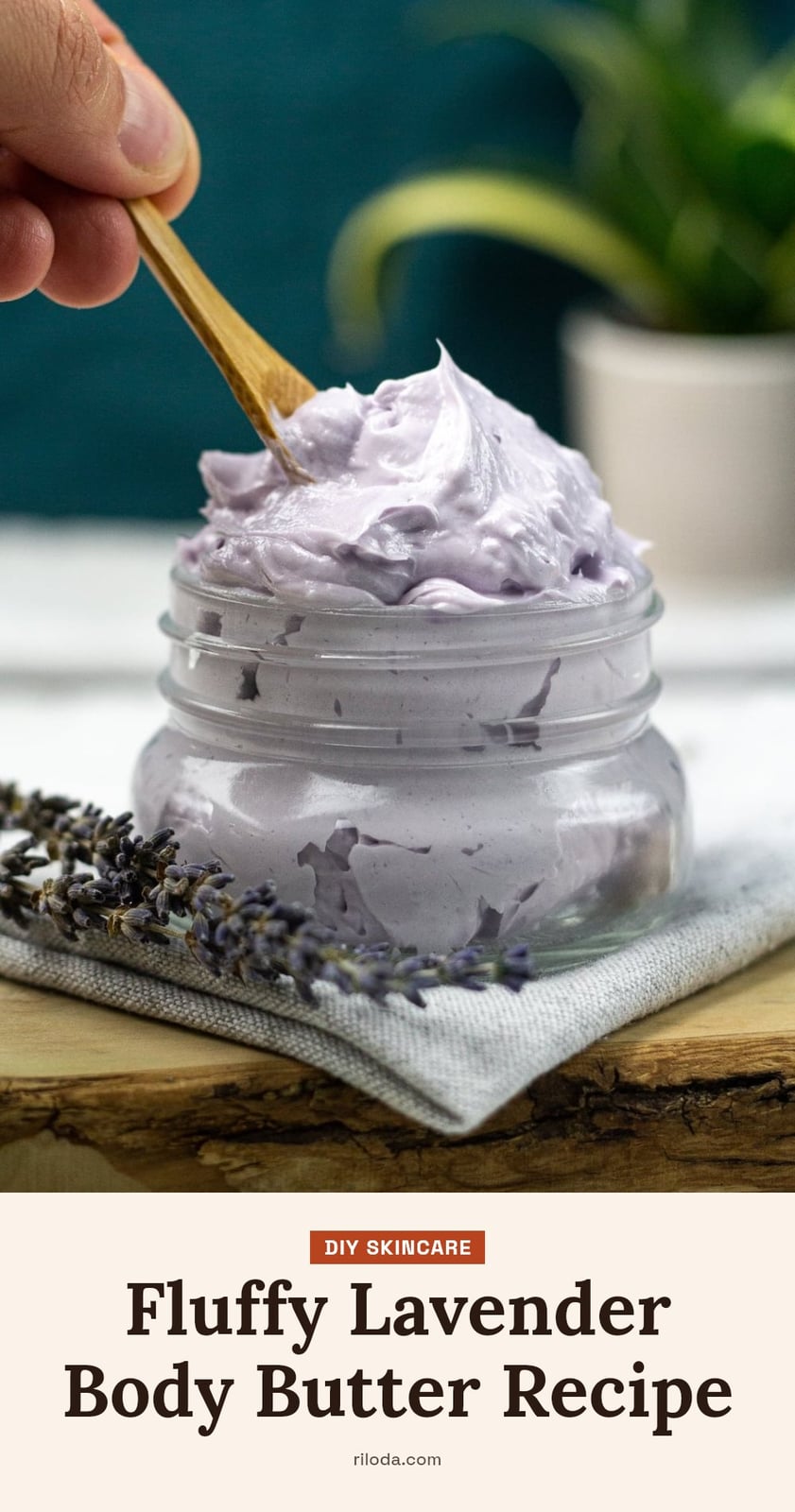
If your skin craves deep, lasting moisture that lotions just can’t deliver, homemade whipped body butter is the answer. This thick, rich moisturizer is made entirely from oils and butters, with no water to dilute its power. In this article, I’ll walk you through a simple recipe using shea butter and coconut oil, plus all the tips you need to get a light, fluffy texture that glides on smoothly.
Key Takeaways
- Use unrefined shea butter and virgin coconut oil for the most skin benefits.
- Melt ingredients gently in a double boiler to preserve nutrients.
- Cool the mixture until semi-solid before whipping for a fluffy texture.
- Store in an airtight container in a cool, dark place for up to 6 months.
- A little goes a long way, apply to damp skin after showering for best absorption.
Why This Whipped Body Butter Recipe Works Wonders
This DIY body butter recipe combines shea butter and coconut oil into a rich, anhydrous formula that deeply nourishes dry skin. Unlike lotions, it contains no water, so every drop is packed with skin-loving oils and butters that lock in moisture effectively. Whipping the mixture transforms it into a light, airy texture that’s easy to apply and absorbs beautifully, leaving your skin feeling incredibly soft and hydrated.
Ingredients for Your Luxurious Body Butter
1 cup unrefined shea butter: Provides vitamins A, E, F and anti-inflammatory properties.
- 1/2 cup virgin coconut oil: Highly emollient for trapping moisture.
- 1/4 cup carrier oil (e.g., jojoba oil, sweet almond oil): Enhances spreadability and adds more skin benefits.
- 10-20 drops essential oil (optional, e.g., lavender, frankincense): For fragrance and additional skin benefits, use 0.5-2% dilution.
Tools You’ll Need for Whipped Body Butter
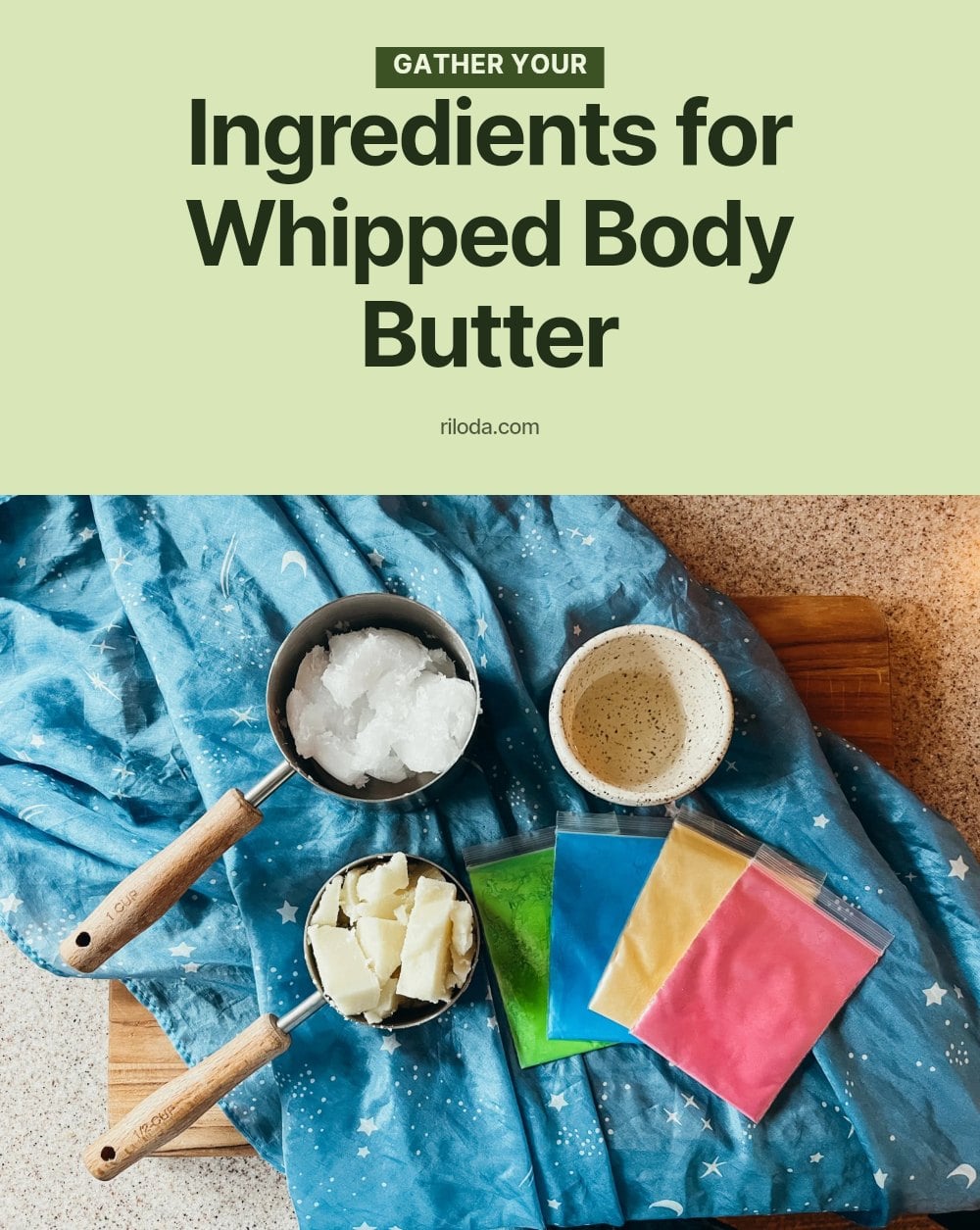
Double boiler or heat-safe bowl and saucepan: For gently melting ingredients without overheating.
- Electric mixer (handheld or stand mixer): Essential for achieving that light, fluffy, whipped texture.
- Spatula: For scraping down the bowl and transferring the butter.
- Airtight storage containers (glass jars are great): To keep your body butter fresh and prevent contamination.
Step-by-Step: Crafting Your Own Whipped Body Butter
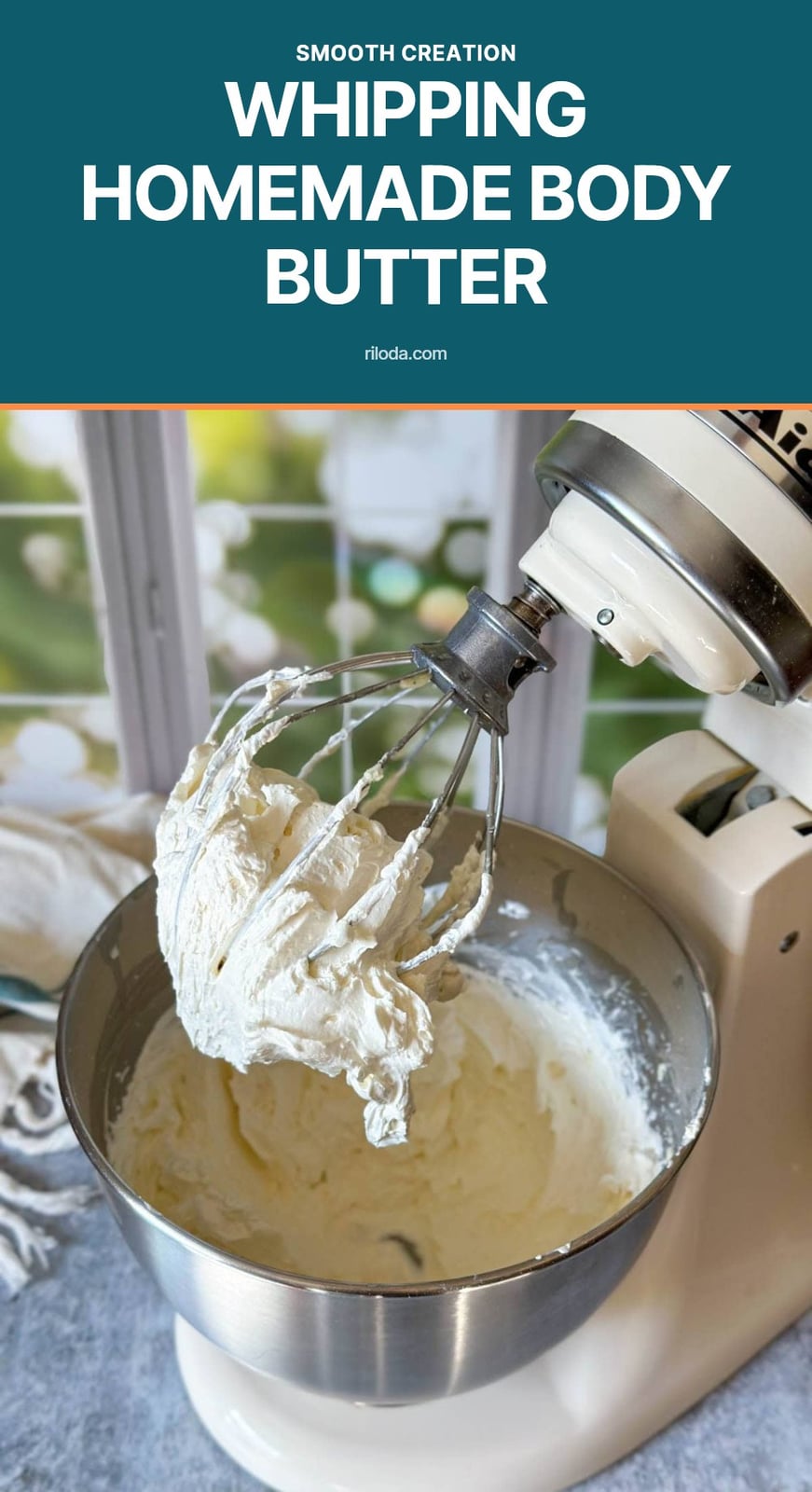
- Gently melt the hard butters and oils: Use a double boiler over low heat to preserve the nutrients. Stir occasionally until completely liquid.
- Cool the mixture: Transfer the bowl to the refrigerator and let it cool until it’s partially solidified but still soft enough to whip, about 1-2 hours.
- Whip until fluffy: Use an electric mixer on medium speed to whip the cooled mixture until it’s light and airy, resembling whipped cream. This usually takes 3-5 minutes.
- Add essential oils: If desired, add 10-20 drops of your chosen essential oil during the whipping process so it’s well incorporated.
- Transfer and store: Spoon the finished body butter into an airtight container. Store it in a cool, dark place away from direct sunlight.
If you learn better by watching, this 11-minute video from WholeElise shows every step. The how-to part starts at 0:38.
Best Tips for Perfect Body Butter Every Time
Use Unrefined Ingredients: Unrefined shea butter and virgin coconut oil retain more vitamins and nutrients than their refined counterparts. The trade-off is a stronger natural scent, but your skin gets the full benefit.
Don’t Overheat: Melt your ingredients using a double boiler or very low heat. High temperatures can degrade the beneficial compounds in the butters and oils, making your body butter less effective.
Cool Completely (But Not Too Hard): The secret to fluffy body butter is cooling the melted mixture until it’s semi-solid, like soft butter, before whipping. If it’s too warm, it won’t whip; too hard, it’ll be difficult to beat.
Patch Test: Before applying your finished body butter all over, test a small amount on your inner arm. This is especially important if you added essential oils.
Apply to Damp Skin: For the best absorption, smooth the body butter onto your skin right after a shower or bath while it’s still slightly damp. This helps lock in moisture.
Customizing Your Body Butter: Variations and Add-ins
Switch Up Your Carrier Oil
You can easily customize your body butter by swapping out the carrier oil. Jojoba oil works well for all skin types, sweet almond oil is very nourishing, and olive oil is a cost-effective option for deep hydration.
Play with Essential Oils
For fragrance, try calming lavender, skin-rejuvenating frankincense, or uplifting citrus oils like orange or grapefruit. Be careful with citrus oils. Some are photosensitive, so avoid using them before sun exposure.
Adding a few drops of vitamin E oil per batch acts as an antioxidant and can slightly extend shelf life. Always research safe dilution rates for any new ingredient you introduce.
Storing Your Homemade Body Butter for Freshness
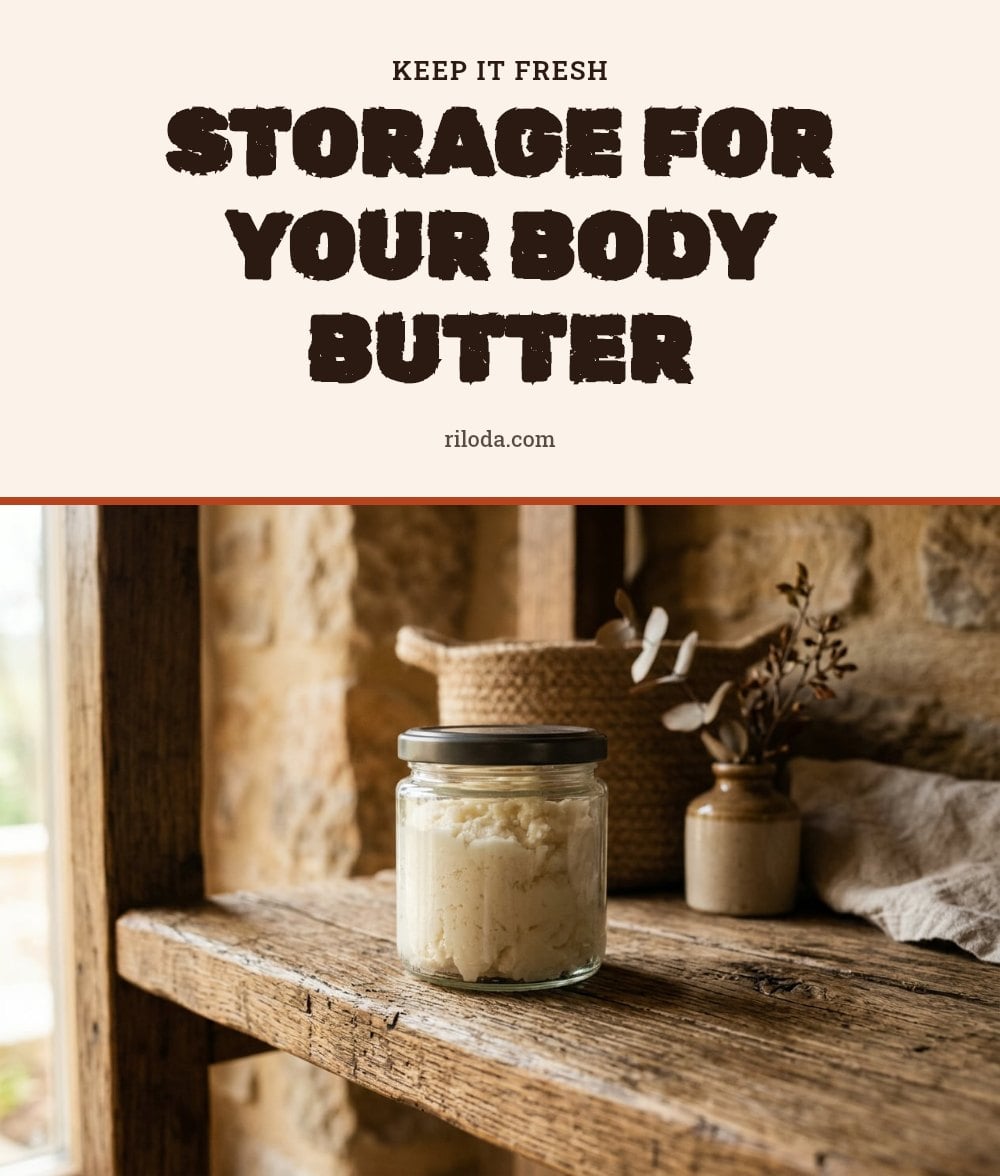
Store your body butter in an airtight container, preferably glass, to prevent air exposure and maintain freshness. Keep it in a cool, dark place away from direct sunlight and heat, which can melt the butter and ruin its whipped texture.
Never introduce water into the container. Always scoop out product with clean, dry hands or a spatula to prevent bacterial growth. Homemade body butter typically lasts 3-6 months. Trust your nose, if it smells rancid, discard it.
Common Mistakes to Avoid When Making Body Butter
Not Cooling Enough Before Whipping: If your mixture is too warm, it won’t whip into a light, fluffy texture. It will stay greasy and dense. Make sure it’s semi-solid before you start.
Overheating Ingredients: Melting butters and oils at too high a temperature can destroy their beneficial compounds. Always use gentle heat, preferably a double boiler.
Adding Water: Body butter is anhydrous, water-free. Adding water without a proper preservative leads to mold and bacteria, making your product unsafe.
Using Too Much Essential Oil: Over-dilution can cause skin irritation. Stick to the recommended 0.5-2% of total volume.
Expecting a Lotion Texture: Body butter is richer and thicker than water-based lotions. A little goes a long way, so don’t expect a light, quick-absorbing feel.
Frequently Asked Questions
How long does homemade body butter last?
Homemade body butter typically lasts 3 to 6 months when stored in an airtight container in a cool, dark place. The exact shelf life depends on the freshness of your ingredients and how well you keep moisture and heat out. Always check for an off smell or change in texture before using.
Why is my body butter grainy?
Graininess usually happens when the shea butter cools too quickly or is overheated, causing the fatty acids to crystallize unevenly. To fix it, gently remelt the mixture in a double boiler, then cool it slowly and whip again. Using unrefined shea butter can also reduce the chance of graininess.
Can I use body butter on my face?
Body butter is very rich and can clog pores on the face, especially if you have oily or acne-prone skin. It’s best reserved for dry areas like elbows, knees, and feet. If you want to try it on your face, do a patch test first and use only a tiny amount on non-sensitive spots.
Is body butter better than lotion for dry skin?
Yes, for very dry skin body butter is often more effective because it contains no water and is packed with oils and butters that lock in moisture. Lotions contain water and evaporate faster, so they may not provide the same level of deep hydration. Body butter is ideal for areas that need extra care.
Can I use other oils in my body butter?
Absolutely. You can swap the carrier oil for jojoba oil, sweet almond oil, or even olive oil, depending on your skin’s needs. Just keep the same total amount to maintain the right consistency. Each oil offers different benefits, so feel free to experiment with what works best for you.
Final Thoughts
For the best results every time, stick with unrefined ingredients and never skip the cooling step before whipping. Expect your body butter to last 3 to 6 months if stored properly, and you’ll notice softer, more hydrated skin right after the first application. With a little practice, you’ll have a custom moisturizer that beats anything from a store shelf.
This article is for informational purposes only and is not a substitute for professional medical advice. Always perform a patch test before using new ingredients on your skin, and consult a dermatologist if you have a persistent skin condition or an allergic reaction.
More Blog ideas
- How to Use Rose Water for Radiant Skin and Healthy Hair
- What Is My Personality Type? Understanding Yourself Better
- How to Clean Your Pores at Home
- Vitamin C Benefits for Skin and Health Plus the Best Foods
- How to Start Shadow Work for Deeper Self-Understanding
- How to Prep Your Hair Before Bleaching for Less Damage
- How to Prepare Sea Moss Gel at Home for Wellness
- How to Use Rice Water for Glowing Skin and Shiny Hair
- How to Find Morning Motivation When You Want to Stay in Bed
- Filing Nails: How to File Nails Correctly for Strong, Healthy Fingernails
- Healthy Coping Skills: Proven Strategies for Difficult Times
- Simple Ways to Romanticize Your Life Every Day