Beginner Workout for Women: 4-Week Plan to Build Strength
Start your fitness journey with our beginner workout plan for women. Learn foundational movements, proper form, and a 4-week schedule to build strength safely.

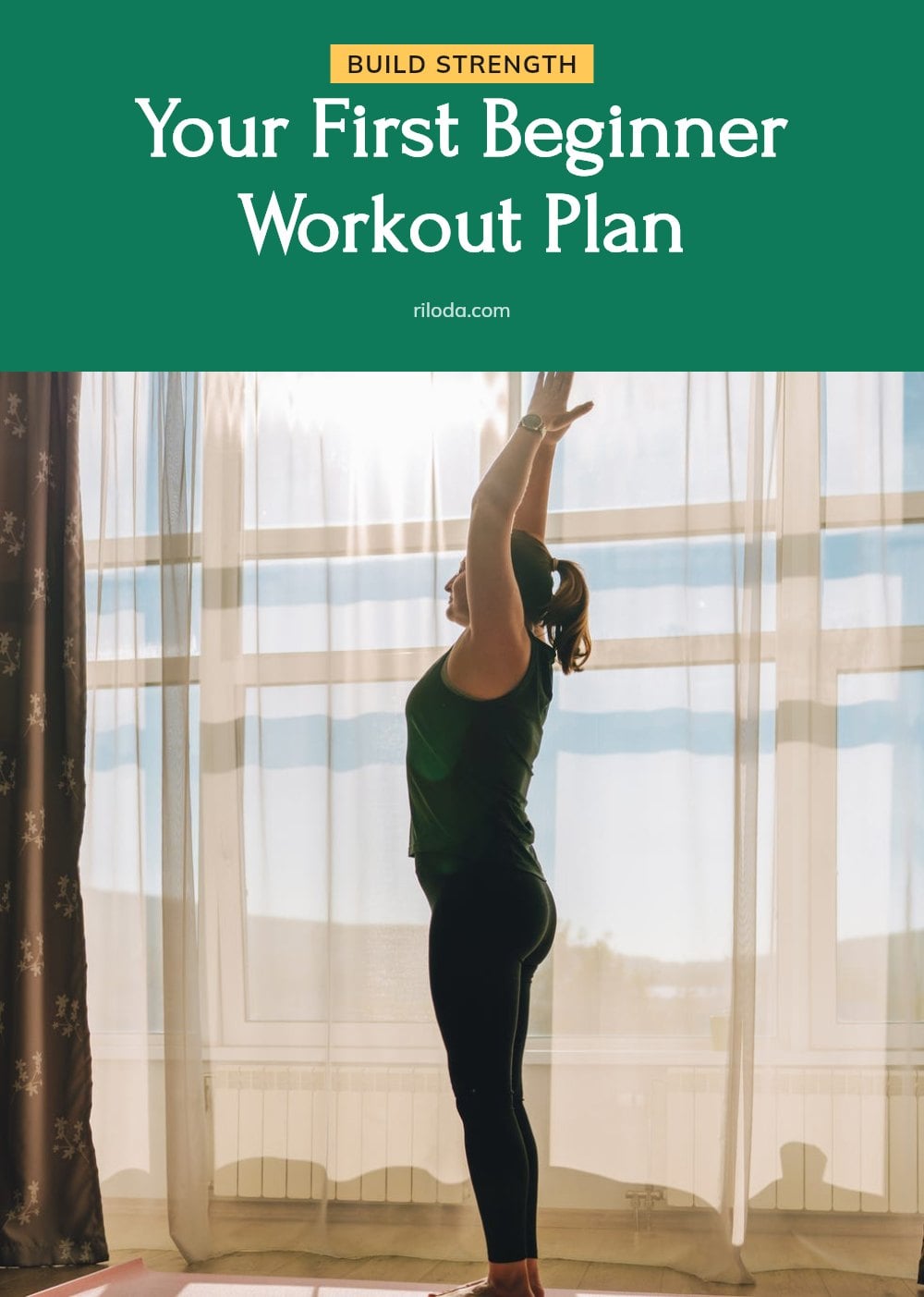
Starting a fitness routine can feel overwhelming, but the key is to begin with the basics and build a habit you can stick with. This 4-week beginner workout plan is designed to help you safely build strength and endurance using simple, effective movements you can do at home.
In this article, I’ll walk you through a balanced schedule of strength training and cardio, explain the essential warm-up and cool-down exercises, and share tips to keep you consistent and injury-free. My goal is to help you feel confident and capable as you start your fitness journey.
Key Takeaways
- Focus on proper form over heavy weights to prevent injury and build a strong foundation.
- Include 2-3 strength sessions and 2-3 cardio sessions per week for balanced fitness.
- Always warm up for 5-10 minutes and cool down with static stretches after each workout.
- Gradually increase reps, sets, or cardio duration each week to keep progressing.
- Listen to your body and take rest days between strength workouts for muscle recovery.
What Is a Beginner Workout and Why It Matters
A beginner workout is built around foundational movements and proper form to safely build strength and endurance. It combines strength training with moderate cardio, starting with bodyweight exercises and light resistance. The real goal is to establish a sustainable routine and improve overall fitness without risking injury, so consistency matters more than intensity. Starting slow helps you learn the movements correctly and avoid the burnout that derails so many new fitness plans.
1. Warm-Up: Arm Circles
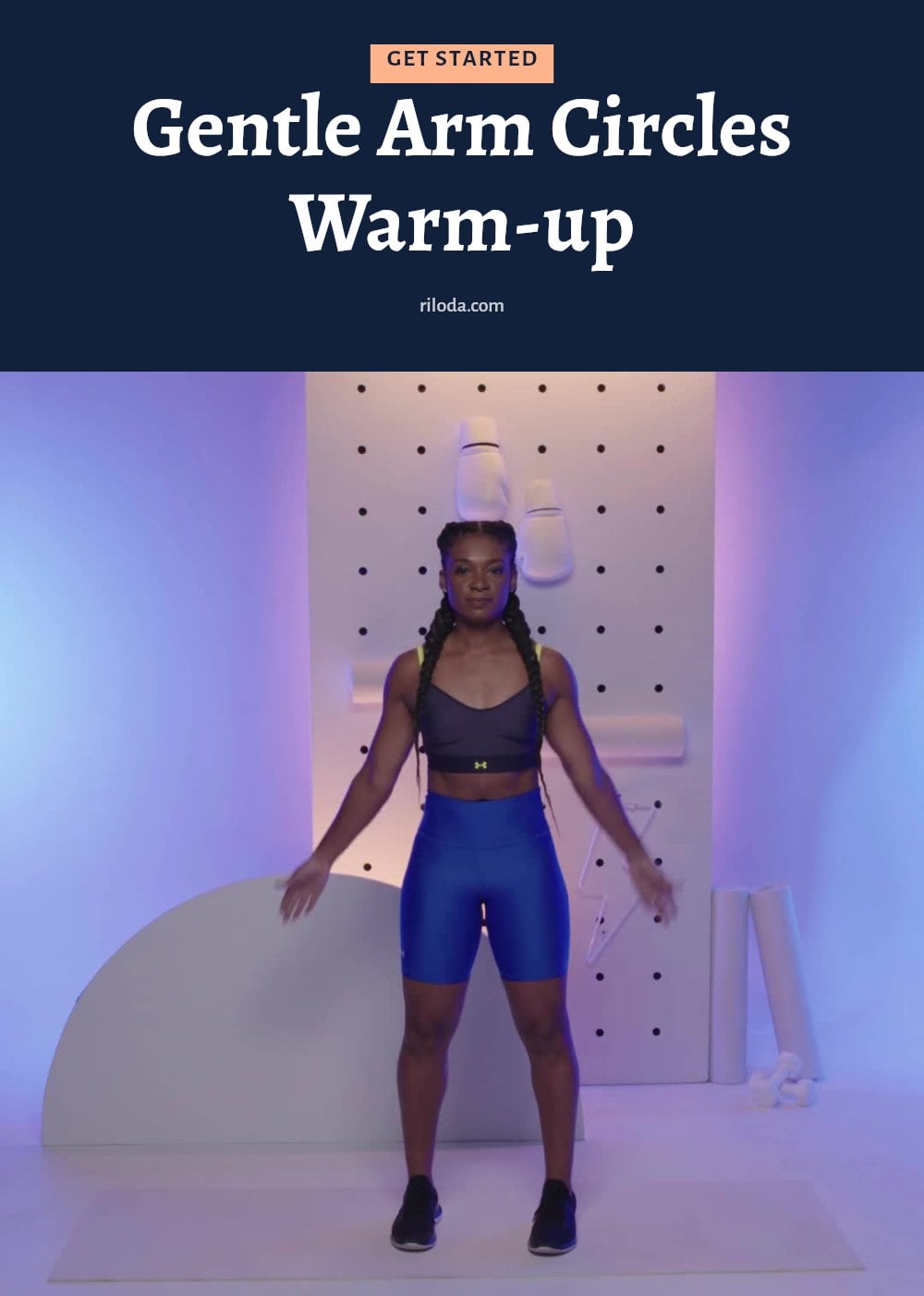
Stand with your feet shoulder-width apart and arms extended straight out to your sides. Make small forward circles with your arms, gradually increasing the size of the circles. After 10-15 circles, reverse direction and make backward circles, again starting small and getting larger.
- Time: 30-60 seconds total
- Form cue: Keep your shoulders relaxed and down, not hunched up toward your ears.
- Make it easier or harder: Start with smaller circles for a gentler warm-up; increase the circle size to deepen the stretch.
2. Bodyweight Squats

Stand with your feet shoulder-width apart, toes pointing slightly out. Keep your chest up and core engaged, then lower your hips as if sitting back into a chair. Go as low as comfortable while maintaining good form, aiming for thighs parallel to the floor. Push through your heels to return to the starting position.
- Sets and reps: 2-3 sets of 10-12 repetitions
- Form cue: Keep your knees tracking over your toes; don’t let them collapse inward.
- Make it easier or harder: Reduce the depth for an easier version; hold a light dumbbell in front of your chest to increase difficulty.
3. Modified Push-Ups
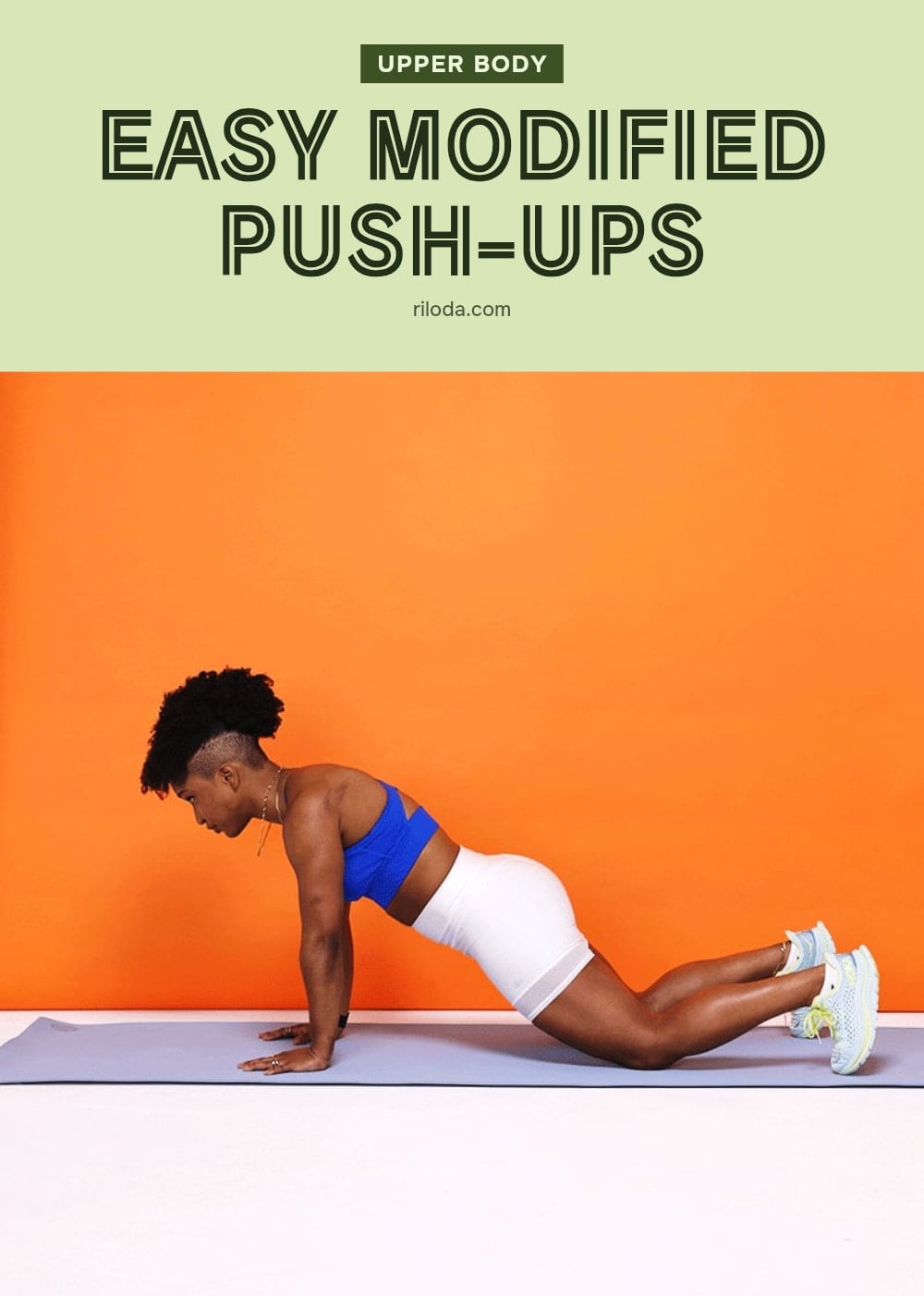
Start on your hands and knees with your hands slightly wider than shoulder-width apart, fingers pointing forward. Lower your chest toward the floor by bending your elbows, keeping your core tight and back straight. Push back up to the starting position. If this is too challenging, perform them against a wall or on an incline.
- Sets and reps: 2-3 sets of 8-10 repetitions
- Form cue: Keep your body in a straight line from your head to your knees; don’t let your hips sag or pike up.
- Make it easier or harder: Use a wall or a sturdy table for an easier incline; move to full push-ups on your toes once you can complete 3 sets of 10 controlled reps.
4. Walking Lunges
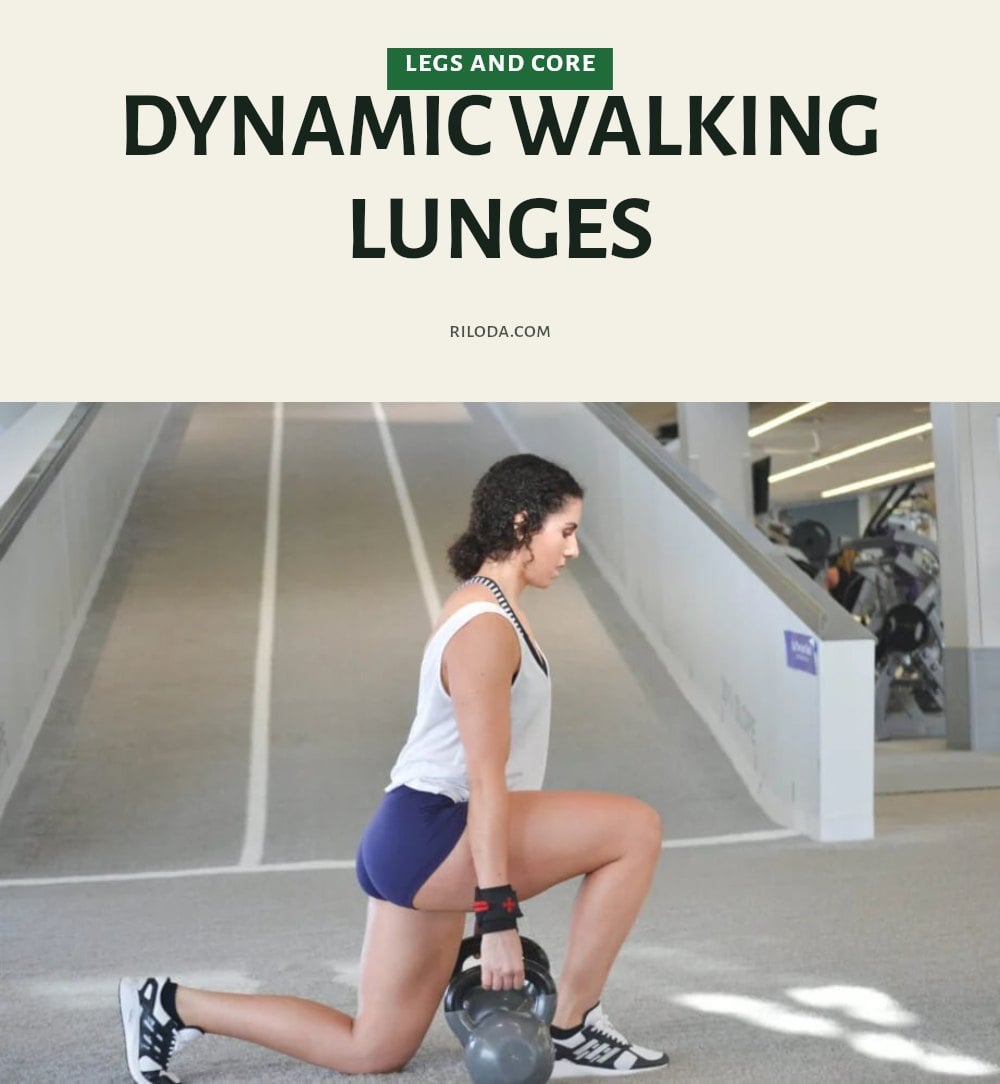
Stand tall with your feet hip-width apart. Step forward with your right leg and lower your hips until both knees bend at about 90 degrees. Your front knee should stay directly over your ankle, and your back knee should hover just above the floor. Push off your back foot to bring it forward, then immediately step into the next lunge with your left leg.
- Sets and reps: 2-3 sets of 8-10 lunges per leg.
- Form cue: Keep your torso upright and your front knee tracking over your toes, not collapsing inward.
- Make it easier or harder: Start with stationary lunges (step forward and return) before trying walking lunges. To increase difficulty, hold a light dumbbell in each hand.
5. Plank
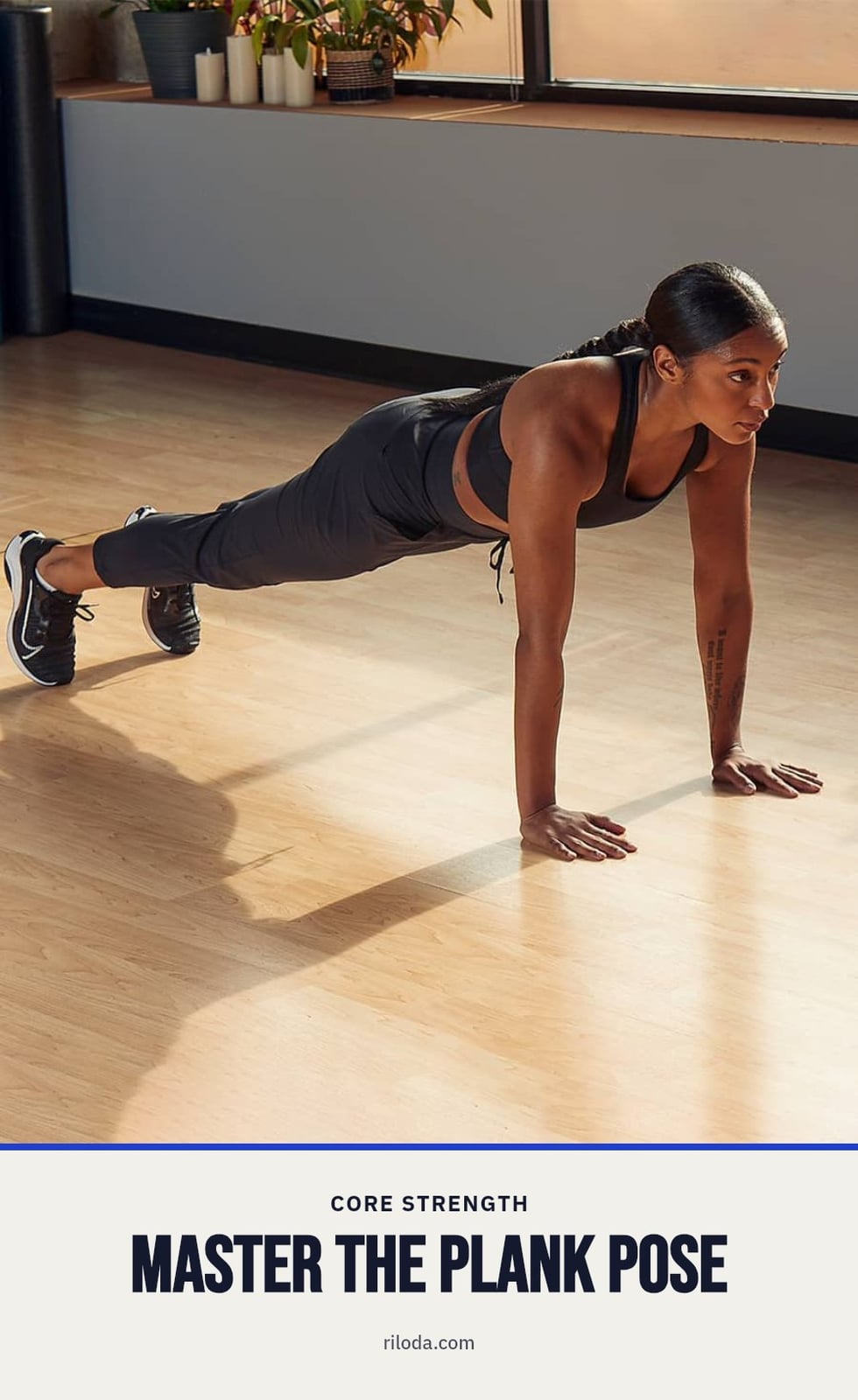
Start in a push-up position, then lower onto your forearms. Keep your body in a straight line from your head to your heels. Engage your core, glutes, and quads so your hips don’t sag or rise too high. Hold your gaze slightly forward to keep your neck neutral.
- Time: Hold for 20-30 seconds, or as long as you can keep perfect form. Repeat for 2-3 sets.
- Form cue: Squeeze your glutes and pull your belly button toward your spine to maintain that straight line.
- Make it easier or harder: Drop your knees to the floor to reduce the load. For a challenge, hold for 5-10 seconds longer each week.
6. Glute Bridges
Lie on your back with your knees bent, feet flat on the floor hip-width apart, and arms by your sides. Engage your core and glutes, then lift your hips until your body forms a straight line from your shoulders to your knees. Squeeze your glutes at the top, then lower back down with control.
- Sets and reps: 2-3 sets of 12-15 repetitions.
- Form cue: Push through your heels and avoid arching your lower back at the top of the movement.
- Make it easier or harder: Keep your shoulders and upper back on the floor if you feel strain. To progress, hold the top position for 2-3 seconds each rep.
7. Bird-Dog
Start on your hands and knees with your hands directly under your shoulders and your knees under your hips. Engage your core, then slowly extend your right arm forward and your left leg straight back at the same time. Keep your back flat and your hips stable, as if you’re balancing a glass of water on your lower back. Return to the start with control and switch sides.
- Sets and reps: 2-3 sets of 8-10 repetitions per side.
- Form cue: Move slowly and avoid letting your hips rotate or your lower back arch.
- Make it easier or harder: Start by lifting just your arm or just your leg. For a challenge, hold the extended position for 2-3 seconds before switching.
8. Cool-Down: Hamstring Stretch
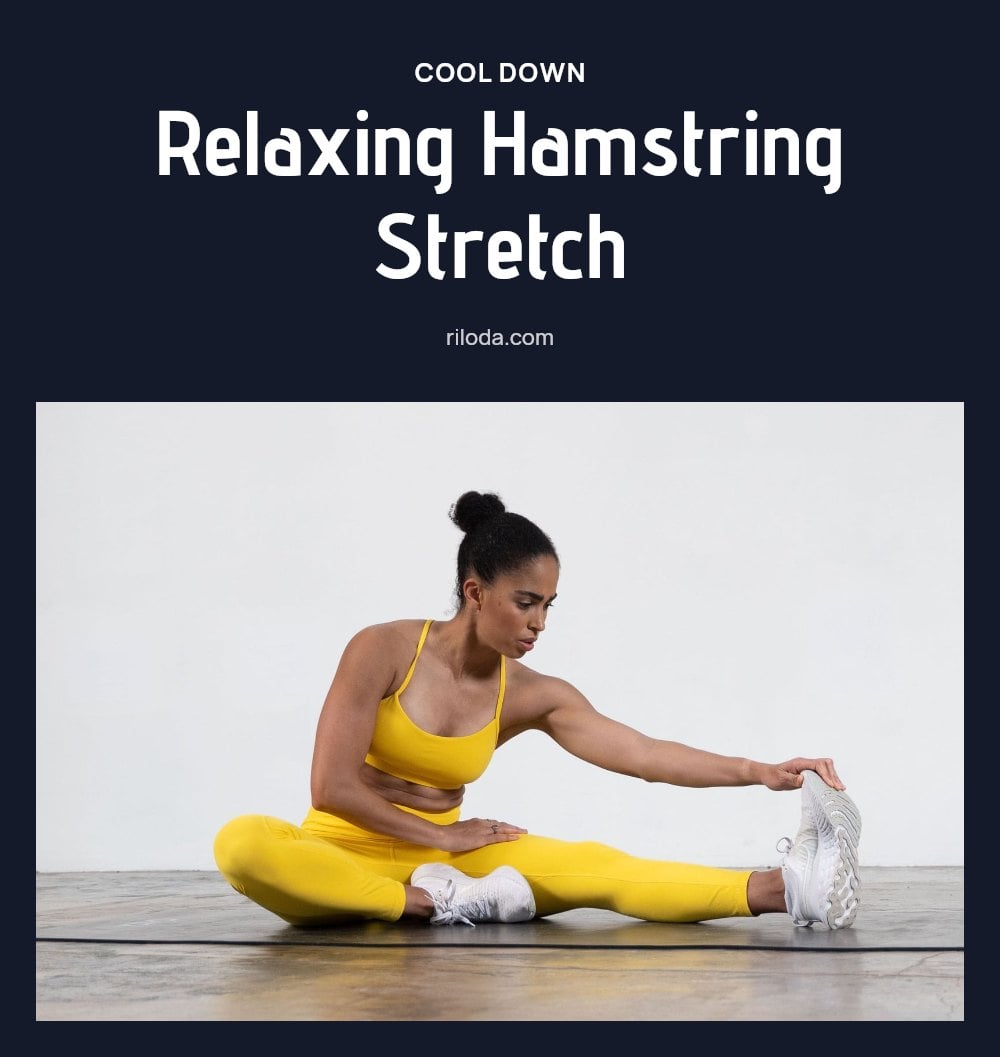
Lie on your back with both legs extended. Bend one knee and hug it toward your chest, then extend that leg straight up toward the ceiling, holding behind your thigh or calf (avoid the knee joint). Gently pull the leg closer until you feel a comfortable stretch in your hamstring. Hold for 20-30 seconds, then switch legs. This static stretch helps improve flexibility and aids recovery after your workout.
- Time: Hold each side for 20-30 seconds, repeat once per leg if needed.
- Form cue: Keep your hips flat on the floor and your extended leg relaxed to avoid straining.
- Make it easier or harder: For a gentler stretch, keep the knee slightly bent. To deepen it, straighten the leg fully and pull gently.
Essential Gear for Your Beginner Workout
You do not need much to start, but the right gear makes a difference. Here is what I recommend having on hand.
- Comfortable athletic clothing: Choose breathable fabrics that let you move freely through squats, lunges, and stretches.
- Supportive athletic shoes: Look for shoes with good cushioning and arch support to protect your feet and joints during cardio and standing exercises.
- Water bottle: Keep one nearby and sip before, during, and after your workout to stay hydrated.
- Yoga mat (optional but recommended): It provides cushioning for floor exercises like planks, glute bridges, and stretches.
- Light dumbbells or resistance bands (optional, start in week 3): Once bodyweight moves feel easy, these add gradual resistance for continued progress. Begin incorporating them in week 3 of the 4-week plan.
Your 4-Week Beginner Workout Schedule
This 4-week schedule balances strength training with moderate cardio and includes rest days for recovery. Each week, gradually increase your cardio duration by 5 minutes or add one extra repetition per set for strength exercises. Listen to your body and prioritize consistency over intensity.
| Week | Day 1 | Day 2 | Day 3 | Day 4 | Day 5 | Day 6 | Day 7 |
|---|---|---|---|---|---|---|---|
| Week 1 | Full Body Strength Workout (see routine below) | Rest or light walk | Brisk Walk (20 min) | Full Body Strength Workout (see routine below) | Rest | Brisk Walk (25 min) | Rest |
| Week 2 | Full Body Strength Workout (see routine below) | Rest | Brisk Walk (25 min) | Full Body Strength Workout (see routine below) | Rest | Brisk Walk (30 min) | Rest |
| Week 3 | Full Body Strength Workout (see routine below) | Rest | Brisk Walk (30 min) | Full Body Strength Workout (see routine below) | Rest | Brisk Walk (35 min) | Rest |
| Week 4 | Full Body Strength Workout (see routine below) | Rest | Brisk Walk (35 min) | Full Body Strength Workout (see routine below) | Rest | Brisk Walk (40 min) | Rest |
Frequently Asked Questions
How often should a beginner workout?
A good starting point is 3-4 days per week, with a mix of strength training and cardio. Aim for 2-3 strength sessions and 2-3 cardio sessions, each lasting 20-30 minutes. Always include at least one rest day between strength workouts to allow your muscles to recover.
How long does it take to see results from a beginner workout?
Most people notice initial improvements in strength and endurance within 2-4 weeks of consistent training. Visible changes like muscle definition or weight loss typically take longer, often 6-8 weeks or more, depending on your diet, sleep, and overall consistency. Focus on how you feel rather than just how you look.
Can I do a beginner workout at home without equipment?
Absolutely. Many effective beginner exercises, like bodyweight squats, lunges, modified push-ups, planks, and glute bridges, require no equipment at all. A yoga mat can make floor exercises more comfortable, but it’s optional. You can add light dumbbells or resistance bands later as you progress.
What is the best beginner workout plan for women?
The best plan is one that fits your schedule and feels sustainable. The 4-week plan in this article includes a balanced mix of strength exercises and moderate cardio, with built-in rest days. It starts with bodyweight movements and allows you to gradually increase intensity, making it ideal for building a strong foundation.
Final Thoughts
My biggest recommendation is to prioritize consistency over intensity. Showing up for your workouts, even when you don’t feel like it, is what builds long-term results. Expect to feel more energetic and see small improvements in strength by the end of the 4 weeks, but remember that visible changes often take longer. The most important step is to start and keep going at your own pace.
This article provides general fitness information and is not a substitute for professional medical advice. Consult your doctor before starting any new exercise program, especially if you have pre-existing health conditions, are pregnant, or have been inactive for a long time. Stop immediately if you experience sharp pain, dizziness, or chest pain.
More Blog ideas
- How to Use Rose Water for Radiant Skin and Healthy Hair
- What Is My Personality Type? Understanding Yourself Better
- How to Clean Your Pores at Home
- Vitamin C Benefits for Skin and Health Plus the Best Foods
- How to Start Shadow Work for Deeper Self-Understanding
- How to Prep Your Hair Before Bleaching for Less Damage
- How to Prepare Sea Moss Gel at Home for Wellness
- How to Use Rice Water for Glowing Skin and Shiny Hair
- How to Find Morning Motivation When You Want to Stay in Bed
- Filing Nails: How to File Nails Correctly for Strong, Healthy Fingernails
- Healthy Coping Skills: Proven Strategies for Difficult Times
- Simple Ways to Romanticize Your Life Every Day