Ashwagandha Benefits for Women: What You Need to Know
Discover the potential ashwagandha benefits for women, from stress reduction to improved sleep. Learn how this adaptogen works and how to use it safely.

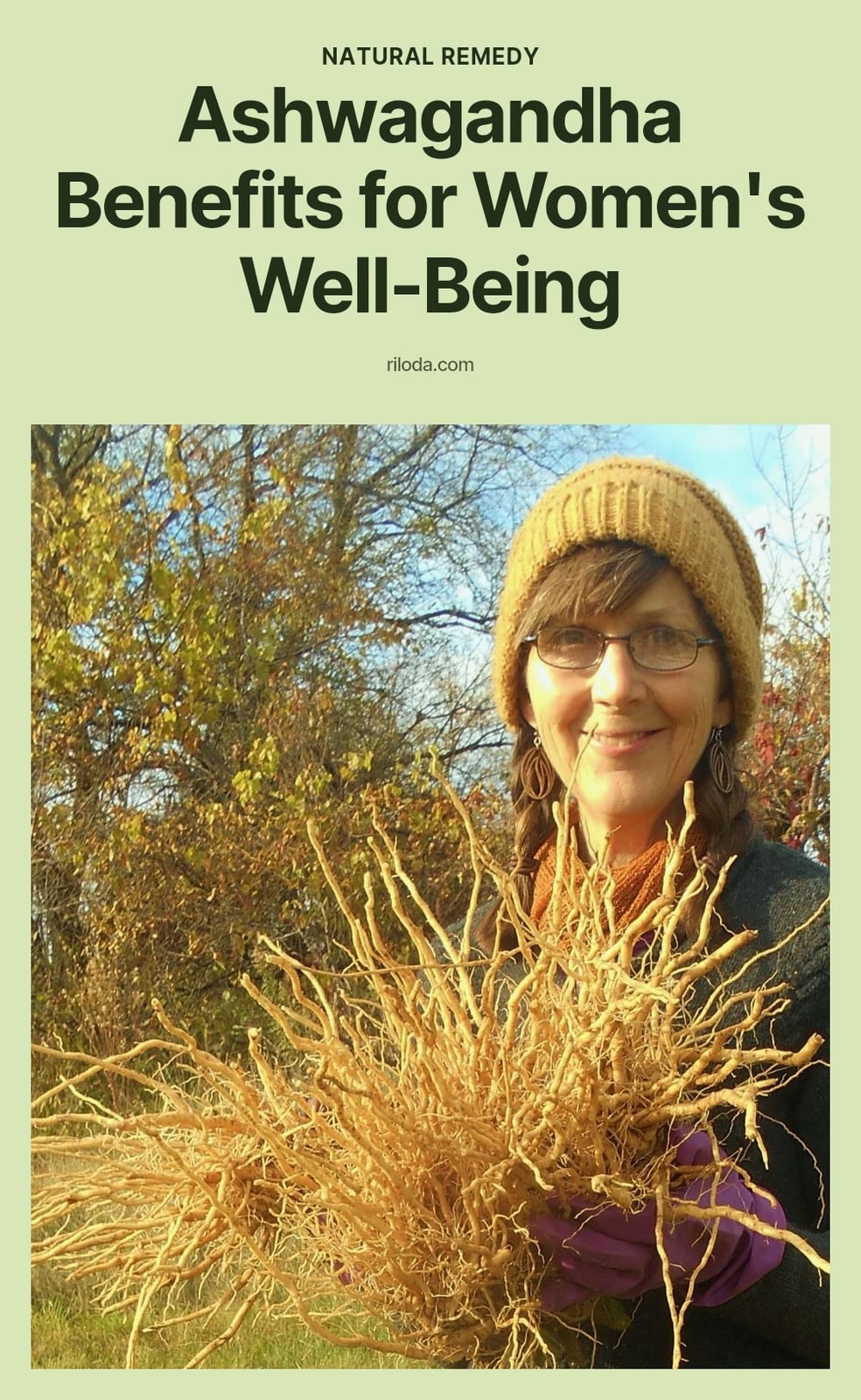
If you are juggling a busy schedule and feeling the weight of daily stress, you might be curious about natural ways to support your well-being. Ashwagandha, an adaptogenic herb from Ayurvedic tradition, is gaining attention for its potential to help the body manage stress and promote balance. In this article, we will explore what ashwagandha is, its potential benefits for women, how to choose a quality product, and how to use it safely.
Key Takeaways
- Consult your healthcare provider before starting ashwagandha, especially if pregnant, breastfeeding, or on medication.
- Start with a lower dose to assess tolerance, typically 250 mg to 600 mg daily.
- Choose reputable brands that provide third-party testing for purity and potency.
- Take ashwagandha consistently for several weeks to a few months to see benefits.
- Avoid ashwagandha during pregnancy and breastfeeding due to limited safety data.
What is Ashwagandha and How Can It Benefit Women?
Ashwagandha is an adaptogenic herb that helps the body manage stress. Traditionally used in Ayurvedic medicine for thousands of years, it comes from the roots and berries of the Withania somnifera shrub. For women, it may support stress reduction, improve sleep quality, and potentially aid hormonal balance. Many people find it a useful addition to a wellness routine. It’s generally considered safe for most people, but you should consult a healthcare provider before starting it, especially if you are pregnant, breastfeeding, or on medication.
The Science Behind Ashwagandha: How It Works

What Makes It an Adaptogen
Ashwagandha is classified as an adaptogen, meaning it helps your body adapt to various stressors, whether physical, mental, or environmental. Unlike stimulants that push you up, adaptogens work to bring your system back to a balanced state. The plant contains active compounds called withanolides, which researchers believe are responsible for its therapeutic effects. These natural chemicals interact with your body’s stress response pathways.
Studies suggest that ashwagandha may help reduce cortisol levels, the primary stress hormone. Lower cortisol can translate into a calmer feeling during busy days and better recovery after stressful events. The science is still evolving, but the adaptogenic mechanism is what sets ashwagandha apart from ordinary herbs.
Key Ashwagandha Benefits Tailored for Women

Stress, Sleep, Hormones, and Focus
For women, ashwagandha’s most talked-about benefit is stress reduction. By potentially lowering cortisol, it may help improve mood and make daily pressures feel more manageable. Many women report feeling less anxious and more even-keeled after a few weeks of consistent use.
Better sleep is another key perk. Some research indicates ashwagandha can support sleep quality and reduce symptoms of insomnia, which is especially helpful for those who struggle to wind down at night. There is also emerging research on female reproductive health and hormonal balance, though more studies are needed before any firm conclusions. Some evidence suggests it may support a healthy cycle, but treat this as a possibility, not a promise.
Cognitive function may get a boost too. Studies point to improvements in memory and reaction time, which can help with focus during work or family responsibilities.
Choosing the Right Ashwagandha Product

Ashwagandha comes in capsules, powders, and tinctures, so you can pick the format that fits your routine. Capsules are the easiest for consistent dosing, powders mix well into smoothies or warm milk, and tinctures offer fast absorption under the tongue.
When choosing a product, look for reputable brands that provide third-party testing for purity and potency. This ensures you are getting what the label claims without contaminants. Also check the concentration of withanolides, as this determines effectiveness. A higher withanolide percentage often means a more potent product, so compare labels before buying.
Tip: Start with a product that lists the withanolide content on the label, so you know exactly what you are taking.
How to Incorporate Ashwagandha Safely into Your Routine

Before you buy anything, talk to your healthcare provider. This matters most if you take medication, have a chronic condition, or are pregnant or breastfeeding. Your doctor can flag potential interactions and confirm whether ashwagandha is right for you.
- Start low: Begin with a lower dose, around 250 mg daily, to see how your body responds. You can gradually increase to a dosage of up to 600 mg daily, based on your tolerance and the product label instructions.
- Take with food: Having ashwagandha with a meal helps minimize stomach upset, especially if you have a sensitive digestive system. This also makes it easy to pair with a consistent daily routine.
- Stay consistent: Take it at the same time each day, ideally with breakfast or dinner. Effects build gradually, so consistency matters more than timing.
- Follow label directions: Stick to the dosage on the product label or your doctor’s advice, typically 250 to 600 mg daily. Do not exceed recommended amounts without medical supervision.
- Give it weeks: Plan to use ashwagandha daily for several weeks before judging whether it works for you. Mark a calendar reminder so you do not miss doses.
Common Mistakes to Avoid When Taking Ashwagandha
Ashwagandha is not a quick fix, and a few missteps can get in the way of results.
- Expecting immediate effects: Benefits are often subtle and build over weeks. Give it at least a month before deciding if it works for you.
- Skipping the drug interaction check: Always consult your doctor first, especially if you take sedatives, thyroid medications, or immunosuppressants. Ashwagandha can interact with these, so professional guidance is essential.
- Assuming all products are equal: Quality and potency vary widely between brands. Choose products with third-party testing and a stated withanolide concentration.
- Taking it on an empty stomach: If you are prone to digestive upset, take ashwagandha with food to reduce the chance of nausea or cramping.
- Self-treating serious conditions: Ashwagandha is a supplement, not a substitute for medical treatment. See a professional for diagnosed health issues.
Important Safety Considerations and When to Consult a Doctor
Safety comes first with any supplement, and ashwagandha has specific cautions.
- Consult your doctor first: Always check with a healthcare professional before starting, especially if you are pregnant, breastfeeding, or on medication.
- Avoid during pregnancy and breastfeeding: There is not enough safety data, so skip ashwagandha in these periods.
- Use caution with autoimmune or thyroid conditions: Ashwagandha may affect immune function and thyroid hormone levels. Talk to your doctor before use if you have lupus, rheumatoid arthritis, or a thyroid disorder.
- Stop if you have side effects: Discontinue use and seek medical advice if you experience severe stomach upset, diarrhea, vomiting, or allergic reactions. Ashwagandha may also cause drowsiness, so avoid driving or other activities requiring alertness until you know how it affects you.
Timeline for Seeing Ashwagandha Benefits
Do not expect overnight changes. Benefits typically become noticeable after consistent daily use for several weeks to a few months.
- Your timeline varies: Individual physiology, dosage, and product quality all affect how quickly you respond.
- Patience pays off: Stick with your routine and track how you feel weekly. The adaptogenic effects depend on regular, sustained use.
Frequently Asked Questions
How long does it take for ashwagandha to work?
Most people need to take ashwagandha consistently for several weeks to a few months before noticing benefits. Effects are often subtle and build over time, so patience is key. Individual factors like dosage, product quality, and your body’s response all play a role in how quickly you see results.
Can ashwagandha help with anxiety?
Some research suggests ashwagandha may help reduce stress and anxiety by lowering cortisol levels, but it is not a treatment for anxiety disorders. Many women report feeling calmer and more balanced after taking it regularly. If you have severe or persistent anxiety, talk to a healthcare professional rather than relying on supplements alone.
Is ashwagandha safe for long-term use?
There is limited research on long-term safety, so it is best to use ashwagandha under a healthcare provider’s supervision. Most studies have looked at short-term use over a few months. If you plan to take it for a longer period, discuss it with your doctor and monitor for any side effects. Discontinue if you experience adverse reactions.
What is the best time of day to take ashwagandha?
There is no one-size-fits-all answer, but many people prefer taking it in the morning to support energy and focus, or in the evening for sleep benefits. Since ashwagandha may cause drowsiness, start with a lower dose and see how it affects you before driving or operating machinery. Taking it with food can also help minimize stomach upset.
Can ashwagandha affect my menstrual cycle?
Some early research hints at potential benefits for female reproductive health, but more studies are needed to confirm any effects on the menstrual cycle. If you notice changes in your cycle after starting ashwagandha, consult your healthcare provider to rule out other causes and ensure it is safe for you.
Final Thoughts
Ashwagandha may be a helpful addition to your wellness routine if you are looking for natural support for stress, sleep, or focus. Start with a lower dose, choose a quality product, and give it several weeks of consistent use to see if it works for you. Remember that results vary, and it is not a quick fix. Always consult your healthcare provider first, especially if you have health conditions or take medications.
If you decide to try ashwagandha, track how you feel over a month or two and adjust with your doctor’s guidance. With patience and the right approach, it may become a valuable part of your self-care toolkit.
This article is for general informational purposes only and does not constitute medical advice. Always consult a qualified healthcare professional before starting any new supplement, especially if you are pregnant, breastfeeding, have a medical condition, or take medications. If you experience any adverse effects, discontinue use and seek medical attention.
More Blog ideas
- How to Use Rose Water for Radiant Skin and Healthy Hair
- What Is My Personality Type? Understanding Yourself Better
- How to Clean Your Pores at Home
- Vitamin C Benefits for Skin and Health Plus the Best Foods
- How to Start Shadow Work for Deeper Self-Understanding
- How to Prep Your Hair Before Bleaching for Less Damage
- How to Prepare Sea Moss Gel at Home for Wellness
- How to Use Rice Water for Glowing Skin and Shiny Hair
- How to Find Morning Motivation When You Want to Stay in Bed
- Filing Nails: How to File Nails Correctly for Strong, Healthy Fingernails
- Healthy Coping Skills: Proven Strategies for Difficult Times
- Simple Ways to Romanticize Your Life Every Day