Anti-Inflammatory Foods List: Your Guide to Eating Well
Discover a comprehensive anti-inflammatory foods list to help reduce inflammation and support your overall well-being. Learn what to eat and what to avoid.

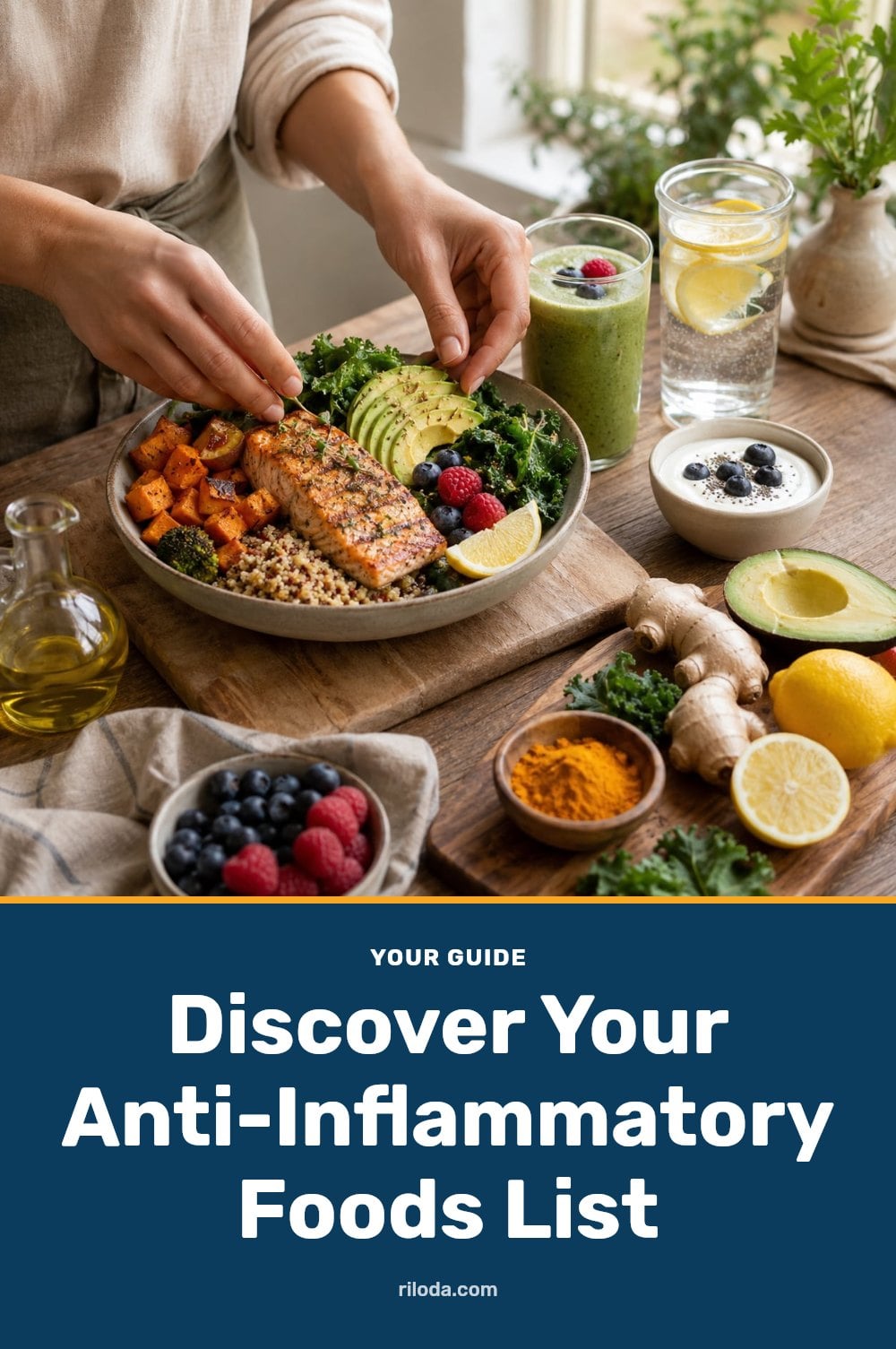
You already know what foods feel good for your body, but figuring out which ones truly fight inflammation can be confusing. An anti-inflammatory foods list helps you focus on whole, unprocessed choices like colorful fruits, vegetables, fatty fish, and healthy fats that work together to support your body’s natural balance. This article breaks down the top foods to eat and which ones to limit, along with tips for making the switch stick.
Key Takeaways
- Eat fatty fish like salmon or sardines at least twice a week for omega-3s.
- Fill half your plate with colorful fruits and vegetables at each meal.
- Choose whole grains over refined ones to help lower C-reactive protein.
- Cook with extra virgin olive oil and snack on nuts or seeds daily.
- Limit added sugars, refined carbs, and trans fats to reduce inflammation triggers.
What is an Anti-Inflammatory Foods List?
An anti-inflammatory foods list centers on whole, unprocessed foods packed with antioxidants and omega-3 fatty acids. It includes colorful fruits, vegetables, whole grains, lean proteins, and healthy fats. This dietary approach aims to help manage inflammation and support overall well-being, but it is not a cure for inflammatory conditions. Think of it as a supportive eating pattern, not a medical treatment.
Why Eating Anti-Inflammatory Foods Matters
Chronic inflammation can contribute to various health issues over time. Foods rich in antioxidants combat oxidative stress, a key factor that drives inflammation. Omega-3 fatty acids, found in fatty fish and seeds, are known for their powerful anti-inflammatory properties. Fiber from whole grains helps reduce markers of inflammation like C-reactive protein in the blood. Certain compounds in spices and olive oil, such as curcumin in turmeric and oleocanthal in extra virgin olive oil, have effects similar to anti-inflammatory medications. Choosing these foods consistently gives your body the tools it needs to keep inflammation in check.
1. Fatty Fish: Omega-3 Powerhouses
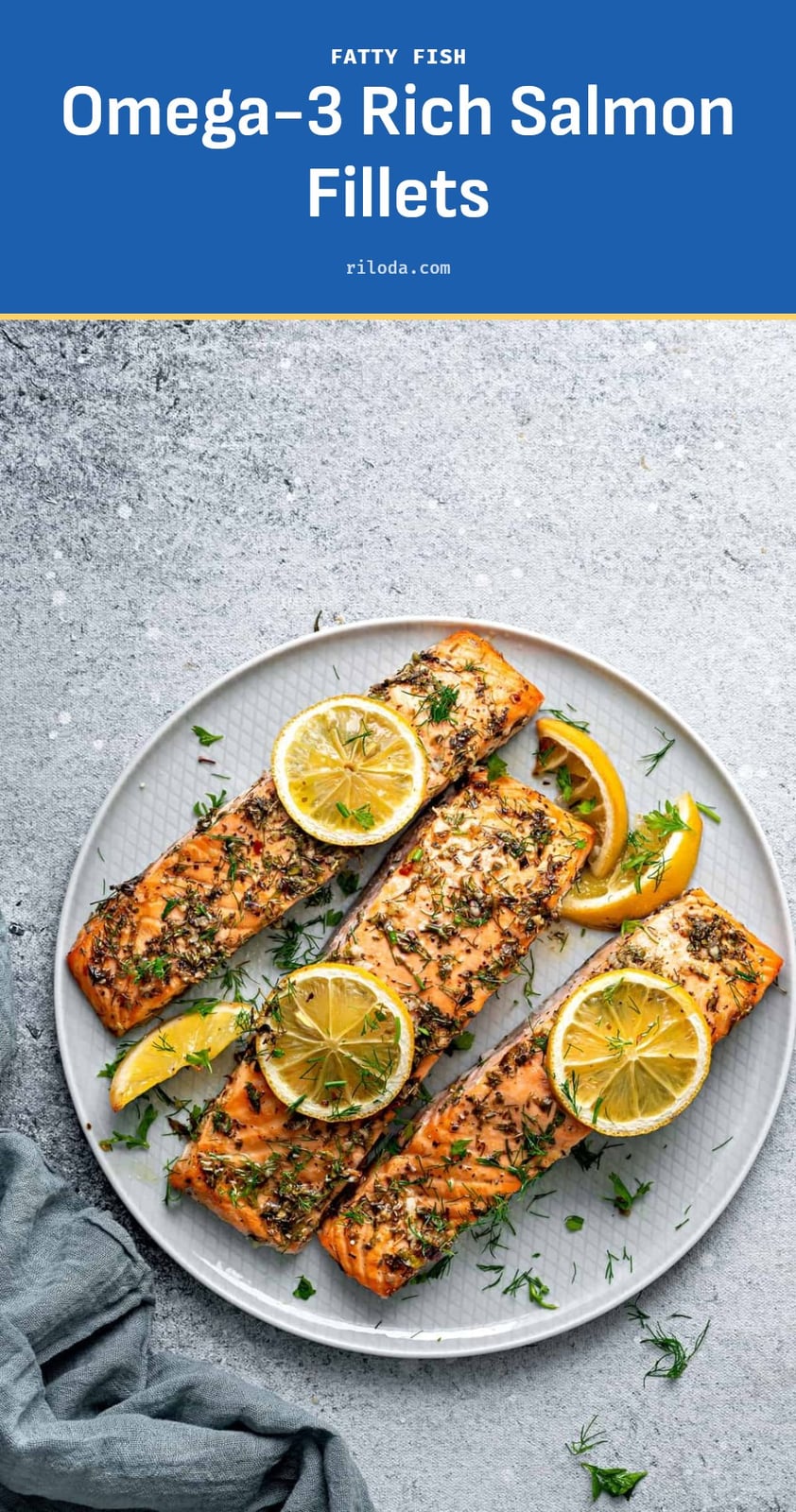
Salmon, mackerel, sardines, and trout are excellent sources of omega-3 fatty acids. These healthy fats help reduce inflammation throughout your body by lowering the production of inflammatory molecules. Aim for at least two servings per week to get the full benefits. A serving is about 3 to 4 ounces cooked. Canned sardines or salmon work just as well as fresh, so there is no need to overthink it.
2. Colorful Fruits and Vegetables: Antioxidant Superstars
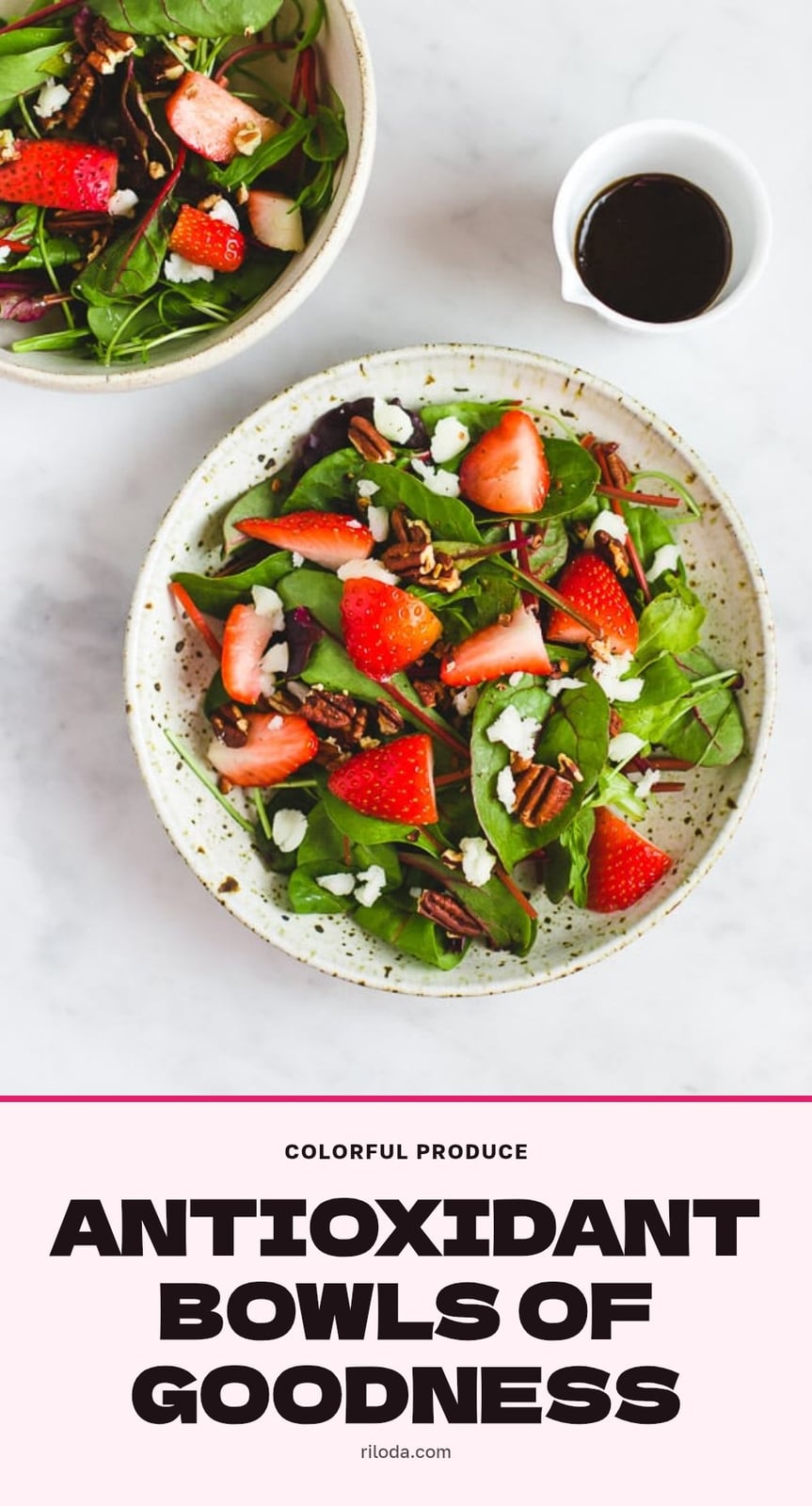
Berries like blueberries, strawberries, and raspberries are packed with anthocyanins, powerful antioxidants that fight inflammation. Leafy greens such as spinach, kale, and collard greens provide vitamins, minerals, and additional antioxidants. Cruciferous vegetables like broccoli and cauliflower also offer significant anti-inflammatory compounds. Aim for a wide variety of colors daily to maximize your antioxidant intake. Fill half your plate with colorful fruits and vegetables at each meal.
3. Healthy Fats: Olive Oil, Nuts, and Seeds
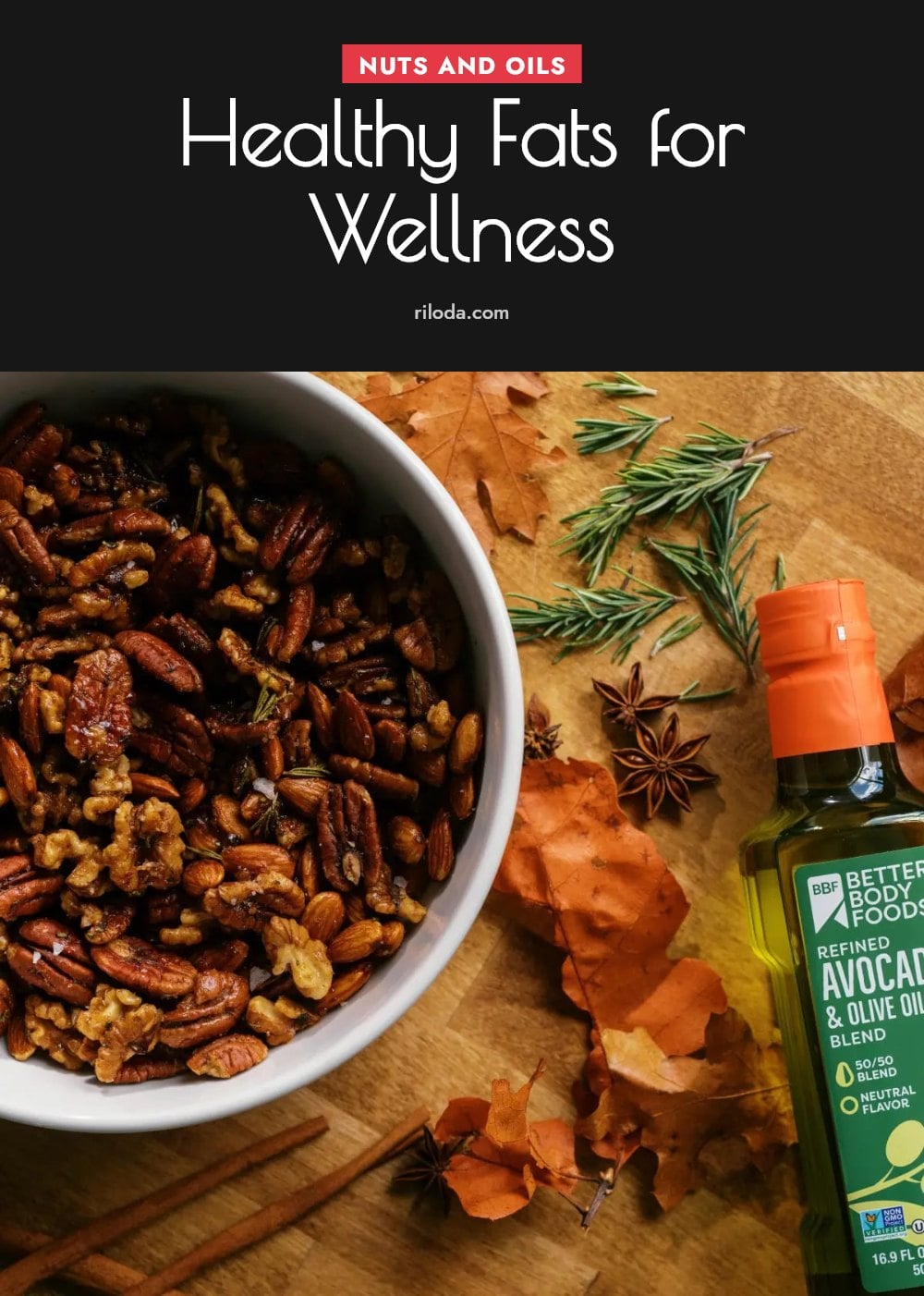
Extra virgin olive oil is a standout for its compound oleocanthal, which has anti-inflammatory properties similar to ibuprofen. Use it for salad dressings or light sautéing to preserve those benefits. Almonds and walnuts bring healthy fats, fiber, and antioxidants. A handful makes a satisfying snack. Flaxseeds and chia seeds provide plant-based omega-3s plus fiber; sprinkle them on oatmeal or yogurt. Tip: Incorporate extra virgin olive oil daily for cooking and snack on nuts and seeds throughout the week to get a broader range of protective compounds.
4. Whole Grains and Legumes: Fiber for Gut Health
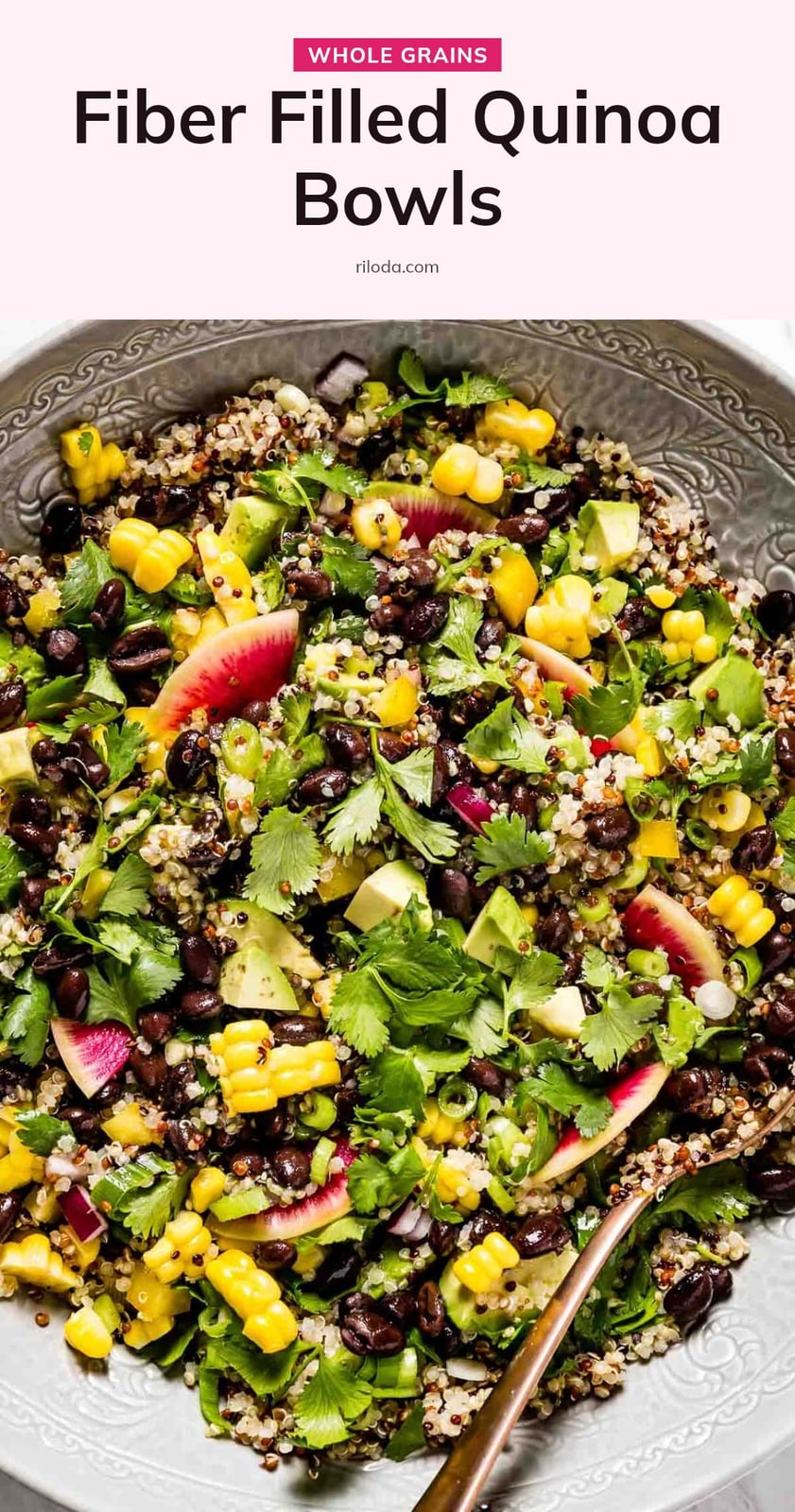
Oats, quinoa, and brown rice are excellent fiber sources that help reduce C-reactive protein, a key marker of inflammation. The fiber also feeds beneficial gut bacteria, supporting digestive health. Legumes like beans and lentils add both fiber and plant-based protein, making meals more filling. Choose these whole grains over refined options like white rice or white bread, which can spike blood sugar and promote inflammation. A simple switch: use quinoa instead of white rice in grain bowls.
5. Anti-Inflammatory Spices and Beverages
Turmeric contains curcumin, a well-researched anti-inflammatory compound; pair it with black pepper to boost absorption. Ginger provides gingerols with antioxidant and anti-inflammatory effects, grate fresh ginger into stir-fries or steep it in hot water. Green tea is rich in polyphenols, especially EGCG, which fight inflammation; aim for two to three cups daily. Cinnamon and garlic also offer documented benefits. My tip: add turmeric and cinnamon to oatmeal or smoothies, and use fresh garlic in salad dressings for a daily anti-inflammatory kick.
Foods to Limit or Avoid for Reduced Inflammation
Foods high in refined carbohydrates, added sugars, and unhealthy fats can promote inflammation. Minimize processed foods, fast food, and packaged snacks, these often contain trans fats and high levels of added sugars. Reduce added sugars found in sodas, candies, and many desserts; they can spike blood sugar and trigger inflammatory responses. Avoid trans fats, commonly present in fried foods and some baked goods. Also limit excessive alcohol intake, which can contribute to inflammation over time.
Common Mistakes When Adopting an Anti-Inflammatory Diet
Expecting immediate results: The benefits of an anti-inflammatory diet build over weeks to months, not overnight. Consistency with your food choices matters more than perfection on any single day.
Focusing on one ‘superfood’ only: Relying solely on turmeric or blueberries won’t give you the full picture. A varied dietary pattern with a wide range of whole foods is more effective than fixating on any single ingredient.
Ignoring individual sensitivities: Some ‘healthy’ foods like nuts or nightshade vegetables may cause reactions in certain people. Pay attention to how your body responds and adjust accordingly.
Confusing it with a fad diet: This is a sustainable eating pattern built on balance and whole foods, not a restrictive short-term plan. It should feel manageable for the long haul.
Overlooking other lifestyle factors: Stress management, adequate sleep, and regular exercise all play major roles in controlling inflammation. Diet alone cannot compensate for poor habits in these areas.
When to Consult a Healthcare Professional
If you have existing health conditions or take medications, talk to a healthcare professional or registered dietitian before making major dietary changes. Some anti-inflammatory foods can interact with blood thinners or other prescriptions.
If you notice persistent digestive upset after increasing fiber intake, speak with your doctor. Gradually adding fiber over a few weeks can help your system adjust.
If you plan to take high doses of anti-inflammatory supplements like turmeric, discuss potential interactions with your doctor, especially if you are on blood thinners or other medications.
Frequently Asked Questions
How quickly can an anti-inflammatory diet show results?
Benefits typically build over weeks to months of consistent eating, not overnight. You might notice subtle shifts in energy or digestion after a few weeks, but major changes in inflammation markers take longer. Patience and regular adherence matter more than perfection on any single day.
Can an anti-inflammatory diet cure chronic conditions?
No, an anti-inflammatory diet is not a cure for chronic conditions. It can help manage symptoms and support overall well-being, but it should not replace medical treatment. Always talk to your doctor before using diet changes to address a diagnosed health issue.
Are there any side effects to an anti-inflammatory diet?
Some people may experience mild digestive upset when increasing fiber from fruits, vegetables, and whole grains. Start slowly and drink plenty of water to help your body adjust. If you have a known condition or take medication, check with a healthcare professional before adding high-dose spices like turmeric.
What are the best anti-inflammatory snacks?
Good snack options include a handful of almonds or walnuts, fresh berries, sliced vegetables with hummus, or a piece of fruit with a small amount of nut butter. These provide healthy fats, fiber, and antioxidants without added sugars or refined ingredients.
Is coffee anti-inflammatory?
Coffee contains polyphenols and antioxidants that may have anti-inflammatory effects for some people, but individual responses vary. If you tolerate it well, moderate coffee consumption can be part of an anti-inflammatory diet. However, adding lots of sugar or cream can offset potential benefits.
Final Thoughts
An anti-inflammatory diet isn’t a quick fix, but it can make a real difference over time. Stick with it for at least a few weeks before expecting noticeable changes, and focus on building a routine you can enjoy rather than chasing one superfood. Small, consistent swaps like choosing berries over sweets or using olive oil instead of butter add up to support your overall health.
This article is for general informational purposes only and does not constitute medical advice. It is not a substitute for professional medical guidance, diagnosis, or treatment. Always consult a healthcare provider or registered dietitian before making significant changes to your diet, especially if you have a chronic condition or take medication.
More Blog ideas
- How to Use Rose Water for Radiant Skin and Healthy Hair
- What Is My Personality Type? Understanding Yourself Better
- How to Clean Your Pores at Home
- Vitamin C Benefits for Skin and Health Plus the Best Foods
- How to Start Shadow Work for Deeper Self-Understanding
- How to Prep Your Hair Before Bleaching for Less Damage
- How to Prepare Sea Moss Gel at Home for Wellness
- How to Use Rice Water for Glowing Skin and Shiny Hair
- How to Find Morning Motivation When You Want to Stay in Bed
- Filing Nails: How to File Nails Correctly for Strong, Healthy Fingernails
- Healthy Coping Skills: Proven Strategies for Difficult Times
- Simple Ways to Romanticize Your Life Every Day