Easy Ways to Add Fermented Foods to Your Diet
Discover simple, delicious ways to incorporate fermented foods like yogurt, kimchi, and kombucha into your daily meals for better gut health.


You’ve probably heard that fermented foods are great for your gut, but knowing where to start can feel overwhelming. The good news is that adding them to your daily meals is easier than you think, and you don’t need to overhaul your entire diet. This article covers simple, practical ways to work fermented foods into your routine, from yogurt and sauerkraut to kimchi and kombucha, so you can support your digestive health without any fuss.
Key Takeaways
- Start with small servings like a tablespoon of yogurt or a few ounces of kefir to let your gut adjust.
- Choose unpasteurized sauerkraut and naturally fermented pickles for live probiotic benefits.
- Rotate different fermented foods like kimchi, miso, and tempeh for a diverse range of microbes.
- Check labels for ‘live and active cultures’ or ‘unpasteurized’ to ensure you’re getting probiotics.
- Don’t heat probiotic-rich fermented foods, as high temperatures can kill beneficial bacteria.
Why Fermented Foods Are Great for Your Gut
Fermented foods start with a simple process: microorganisms convert carbohydrates into acids, gases, or alcohol. This not only preserves the food but can also enhance nutrient availability and create beneficial compounds. Many fermented foods contain live probiotics, which are beneficial microorganisms that may support digestive health and overall well-being. The good news is that adding them to your routine is easier than you might think, with options ranging from tangy vegetables to creamy dairy drinks that fit naturally into meals you already eat.
1. Start Small with Yogurt or Kefir

Begin with a small serving, like a tablespoon of plain, unsweetened yogurt or a few ounces of kefir. These dairy-based options are generally well-tolerated and packed with diverse probiotic strains, making them a gentle entry point for your gut.
My tip: Check the label for the phrase “live and active cultures.” That guarantees you’re actually getting the beneficial bacteria, not just a fermented product that has been pasteurized afterward.
2. Add Sauerkraut to Your Meals

Unpasteurized sauerkraut delivers both probiotics and fiber, and it’s one of the most flexible fermented foods to keep on hand. Use it as a tangy condiment on sandwiches or hot dogs, or serve it alongside roasted vegetables and grilled meats.
My tip: Always choose refrigerated, unpasteurized versions from the cold section. Heating sauerkraut will kill the beneficial bacteria, so add it after cooking or eat it cold.
3. Spice Things Up with Kimchi

Kimchi, a spicy Korean fermented cabbage, brings a flavorful punch and a wealth of probiotics to almost any dish. Stir it into fried rice, serve it alongside eggs, add it to stews, or simply enjoy it as a vibrant side dish.
It’s a great way to introduce variety and a different flavor profile to your fermented food intake, especially if you’re used to milder options like yogurt or sauerkraut. The heat and crunch make it easy to eat regularly.
4. Sip on Kombucha

Kombucha is a fermented tea that delivers a diverse range of beneficial microbes in a fizzy, tangy drink. Swap it for sugary sodas as a refreshing alternative, but always scan the label for added sugar, some brands pack quite a bit. Tip: Start with a small glass, about 4 to 6 ounces, to see how your body reacts, especially if you are new to fermented drinks.
5. Incorporate Miso Paste
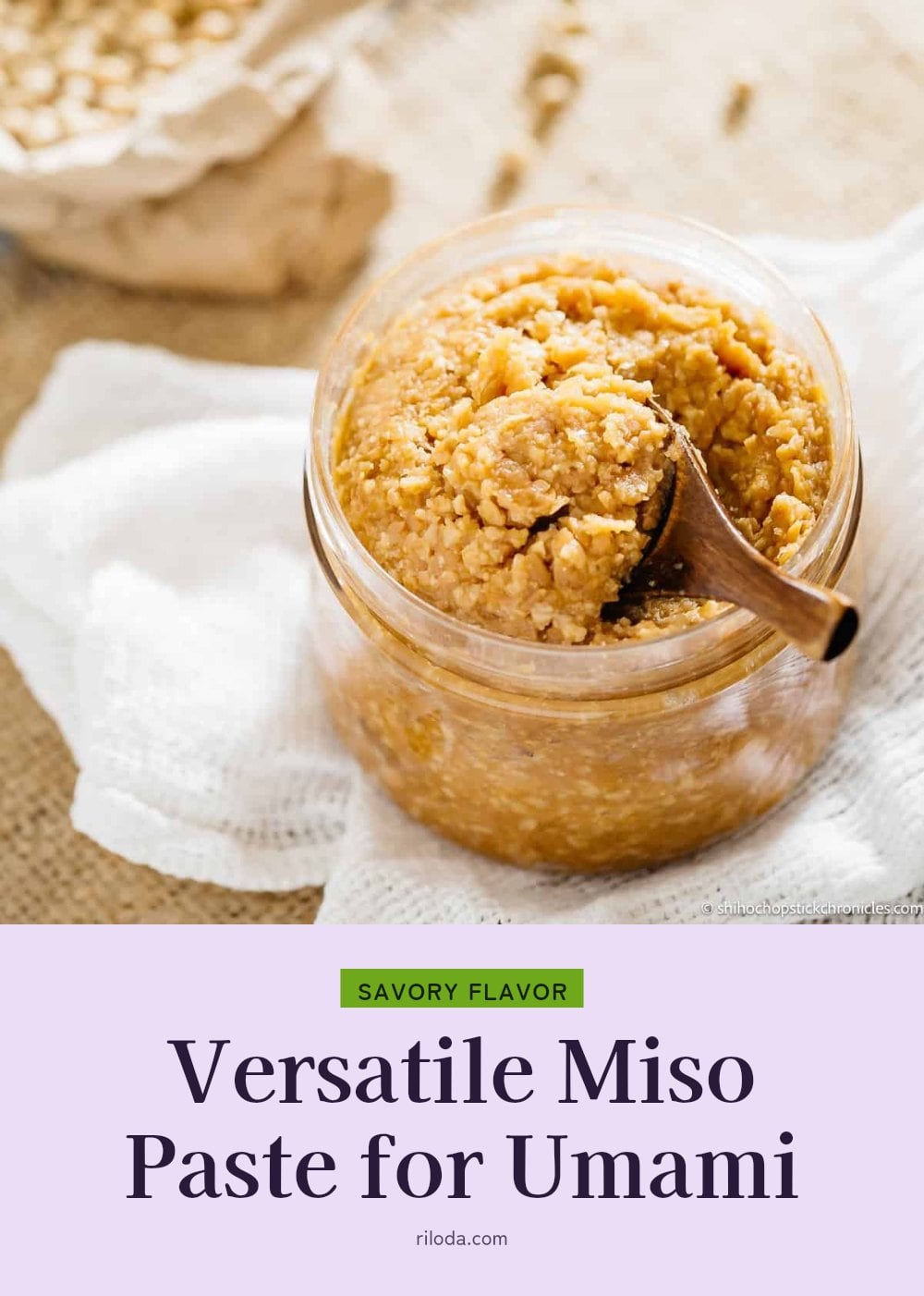
Miso is a fermented soybean paste that brings beneficial enzymes and bacteria along with deep umami flavor. Beyond the classic soup, stir it into salad dressings, marinades, glazes for vegetables or fish, or even use it as a savory spread. Good to know: Add miso paste at the end of cooking to hot dishes, since high heat can reduce its probiotic benefits.
6. Try Tempeh in Your Cooking

Tempeh is a fermented soybean product with a firm, chewy texture that makes it a solid plant-based protein source. It soaks up flavors beautifully, so try it in stir-fries, on the grill, baked, or crumbled into tacos and chili. Unlike many other fermented foods, tempeh typically keeps its beneficial compounds even after cooking.
7. Choose Naturally Fermented Pickles
Not all pickles offer probiotic benefits. Look for “lacto-fermented” or “naturally fermented” pickles in the refrigerated section. These are made with salt and water, letting beneficial bacteria thrive. Standard vinegar-brined pickles skip that fermentation step entirely. They bring a crunchy, tangy boost to any meal or snack.
8. Make Your Own Fermented Vegetables
Start with a simple brine: Fermenting vegetables at home, like cabbage, carrots, or beets, is a cost-effective way to boost your intake. You only need salt, water, and a clean jar or fermentation crock. Pro move: Always follow a trusted recipe and keep everything scrupulously clean to prevent unwanted bacteria.
9. Diversify Your Fermented Food Intake
Rotate your ferments: Different fermented foods provide different probiotic strains, so aim for variety rather than sticking to one type. A diverse mix helps build a more robust gut microbiome. Think of it like a garden: the more variety you plant, the healthier it becomes.
10. Read Labels Carefully
Scan for key phrases: When shopping, look for “live and active cultures” or “unpasteurized” on labels to ensure you get probiotic benefits. Remember that some fermented foods, like sourdough bread, don’t retain live probiotics after baking. Being a savvy label reader helps you get the most from your choices.
11. Listen to Your Body
Start small and increase gradually: Introduce fermented foods slowly and notice how your body responds. Some people experience mild gas or bloating at first as their gut adjusts. Quick tip: If discomfort lingers or feels severe, cut back or talk to a healthcare professional. Your body knows best.
When to Consult a Professional
If you have a compromised immune system or a specific health condition, talk to your doctor before you significantly increase how much fermented food you eat. The same goes if you are pregnant or managing a chronic illness, since live cultures can affect people differently.
Pay attention to how you feel after eating them. If you get severe or persistent digestive discomfort, like ongoing bloating, gas, or diarrhea, cut back on the amount and check in with a healthcare professional. Mild adjustment symptoms often pass, but lasting issues are worth addressing.
People sensitive to histamines may also need to monitor their intake, as some fermented foods are naturally high in these compounds. If you notice reactions like headaches, flushing, or nasal congestion after eating them, consider tracking which foods trigger it and discuss it with your doctor.
Frequently Asked Questions
What are the benefits of eating fermented foods?
Fermented foods may support digestive health by introducing beneficial probiotics, which are live microorganisms that can help balance your gut microbiome. The fermentation process can also enhance the availability of certain nutrients and create new beneficial compounds. Many people find they feel better overall when they include these foods regularly.
Can I get probiotics from all fermented foods?
No, not all fermented foods contain live probiotics. For example, sourdough bread is fermented during the baking process, but the heat kills the live cultures. To get probiotic benefits, look for foods labeled with ‘live and active cultures’ or ‘unpasteurized,’ like yogurt, kefir, and refrigerated sauerkraut.
How quickly will I notice effects from eating fermented foods?
Some people notice improvements in digestion within a few weeks, but it varies from person to person. Consistency is key, eating a small amount daily or several times a week is more effective than a large amount all at once. If you don’t see changes right away, keep going.
Are there any side effects to eating fermented foods?
Some people experience mild gas or bloating when they first introduce fermented foods, as the gut adjusts to new microbes. Starting with small servings can help minimize this. If discomfort is severe or persistent, reduce your intake and consult a healthcare professional.
What’s the difference between fermented pickles and regular pickles?
Fermented pickles are made with salt and water, allowing beneficial bacteria to grow through lacto-fermentation. Regular pickles are typically brined with vinegar, which skips the fermentation step entirely. For probiotic benefits, look for ‘lacto-fermented’ or ‘naturally fermented’ pickles in the refrigerated section.
Can children eat fermented foods?
Yes, children can eat fermented foods, but start with small amounts of mild options like plain yogurt or kefir. Avoid spicy varieties like kimchi or high-sugar kombucha. If your child has a compromised immune system or specific health condition, check with a pediatrician first.
Final Thoughts
The best approach is to pick one fermented food you already enjoy, like yogurt or sauerkraut, and start with a small serving a few times a week. Consistency matters more than quantity, and you may notice subtle changes in your digestion within a few weeks. Remember to listen to your body and adjust as needed, and always consult a healthcare professional if you have underlying health concerns.
This article is for general informational purposes only and is not a substitute for professional medical advice. If you have a compromised immune system, a chronic health condition, or experience persistent digestive discomfort, consult a healthcare professional before making significant changes to your diet.
More Blog ideas
- How to Use Rose Water for Radiant Skin and Healthy Hair
- What Is My Personality Type? Understanding Yourself Better
- How to Clean Your Pores at Home
- Vitamin C Benefits for Skin and Health Plus the Best Foods
- How to Start Shadow Work for Deeper Self-Understanding
- How to Prep Your Hair Before Bleaching for Less Damage
- How to Prepare Sea Moss Gel at Home for Wellness
- How to Use Rice Water for Glowing Skin and Shiny Hair
- How to Find Morning Motivation When You Want to Stay in Bed
- Filing Nails: How to File Nails Correctly for Strong, Healthy Fingernails
- Healthy Coping Skills: Proven Strategies for Difficult Times
- Simple Ways to Romanticize Your Life Every Day